Showing posts with label GM. Show all posts

Monday, January 29, 2018

2017 Global Sales by OEM

Related image

The Global December sales post is coming soon, but taking on a reader suggestion, i've decided to post this Top 10 ranking by Automotive Group, the 2017 edition was truly exciting to see unfold, with several OEMs separated by what can only be described as split hairs, which bodes well for the dynamics of the market, with no one truly owning the market. And that's how i like it: "Diversity breeds Competition, Competition breeds Improvement".

Here are the 10 Best Selling OEMs of 2017:

1. Renault-Nissan Alliance (119.195 units)

The addition of Mitsubishi to the lineup masked a soft selling year, mostly due to the sunset-mode of the Nissan Leaf, but with its new version arriving soon, expect The Alliance to continue prospering throughout 2018. reaching between 200k to 250k units in 2018.

2. BYD Group (113.949)

Despite a struggling start, BYD got their act together and even managed to surpass their chronic production constraints, growing 14% regarding 2016. Growth is expected to continue in 2018, but with (even) more aggressive OEMs coming right behind it, it could have its podium place in danger this year...

3. BAIC Group (104.536)

The surprise of the year. Thanks to the EC-Series, the 2017 Best Selling EV, Beijing Auto, which includes Changhe Auto, became the Third largest OEM in the plug-in world, and if we limit just to BEVs, it is the Biggest, overcoming Tesla and the Renault-Nissan Alliance. How high can it go this year? Even it the 2017 growth rate (+126%) is not possible to repeat, i guess 170k units will be a reasonable target for BAIC to beat.

4. Geely Group (103.194)

The Chinese juggernaut, known to have almost as many brands as the Volkswagen Group, profited from the general growth of their plug-in offer (Zhidou, Geely, Volvo, etc...) to post a surprising result of over 103.000 units. With yet another brand addition to the lineup in 2018, with the recent, and irreverent, Lynk & Co starting to make their own PEVs, Geely is set to continue on the growth path throughout 2018.

5. Tesla (103.122)

Despite what some fanboys dream, the American brand is not (yet, at least) taking over the EV world, in fact in 2017 its growth rate (36%) was below what the global PEV market (+58%) had, so in fact, Tesla lost share last year...Expect things to change radically in 2018, with the Model 3 ramp up, with the brand deliveries expected to reach some 250k units by year end, which, it should be said, is no garantee to earn its first Best Selling Maker award, as other OEMs (Read: Chinese ones) are also stepping up dramatically. 

6. BMW Group (103.080)

In a very German way, the Luxury maker said previously it was going to reach 100.000 in 2017, and so it did, making it the Best performing legacy OEM by far. Sure, most are short-range PHEVs, but neverthless, they count here and they helped to Place BMW as the last of the "Big 6" plug-in makers of 2017. With a target of 150.000 PEVs set for 2018, count them in to reach such number, with some units to spare.

7. Volkswagen Group (70.314)

The Volkswagen Group was the Best Seller of the laggards Group B, with 70.000 units, currently struggling with shortage supply of batteries for some models (VW e-Golf, Porsche Panamera PHEV...), and not enough love regarding some other models (VW e-Up!), apart from the e-Golf (30 k in 2018?), do not expect significant growth coming from here, as their eyes are all set in 2019.

8. SAIC Group (56.149)

The smallest of the Chinese "Big 4", it has nevertheless great prostpects for 2018, not only because of the potential of the Wuling E100 (This model alone can reach some 60k in 2018), but Roewe will continue to grow, and with the addition of MG to the plug-in lineup, sales can only go up, maybe even surpassing the 150k of BMW...

9. General Motors (55.188)

It might come as shock to many of the readers, maybe in the same degree as seeing Tesla only in Fifth, but the #9 spot of General Motors is simply explained: Bad management. By concentrating their efforts in North America, they are letting go of the two largest engines of growth, the first is by far China, where they have two models (Buick Velite/Volt & Cadillac CT6 PHEV) with the wrong kind of technology (China is BEV-friendly), both selling poorly, while they have a possible winner (Bolt) still slowly ramping up production in their US factory after more than a year on the market. Which leads us to to the Second Engine of growth (Europe), where GM was greedy while negotiating  the Opel sell to PSA, effectively ending the Ampera-e (Bolt) career in Europe. Actually, the current GM management is akin to the current USA goverment: "America First". The problem for them, is that the America global relevance is getting smaller and smaller every passing day and the world will go on, regardless of what happens there. (And why did i remembered the UK's Brexit?) 

10. Toyota (50.883)

Another surprise, just one model, a plug-in hybrid no less, allows Toyota to close this Top 10, ahead of heavyweights like Hyundai-Kia (41k), or Daimler-Mercedes (37k). Caught on the Fuel Cell delusion, Toyota efectivelly lost the upper-hand it had for years with the hybrid game, and only now is trying to get in the next generation (PEV) game. But do not rule them out, with millions of happy customers running around in their hybrids, their base will be a huge plus point, once they are back in The Game. If they reached #10 with only one model, image what they can do with two or three more...


Thursday, November 2, 2017

Auotomotive Groups - September 2017

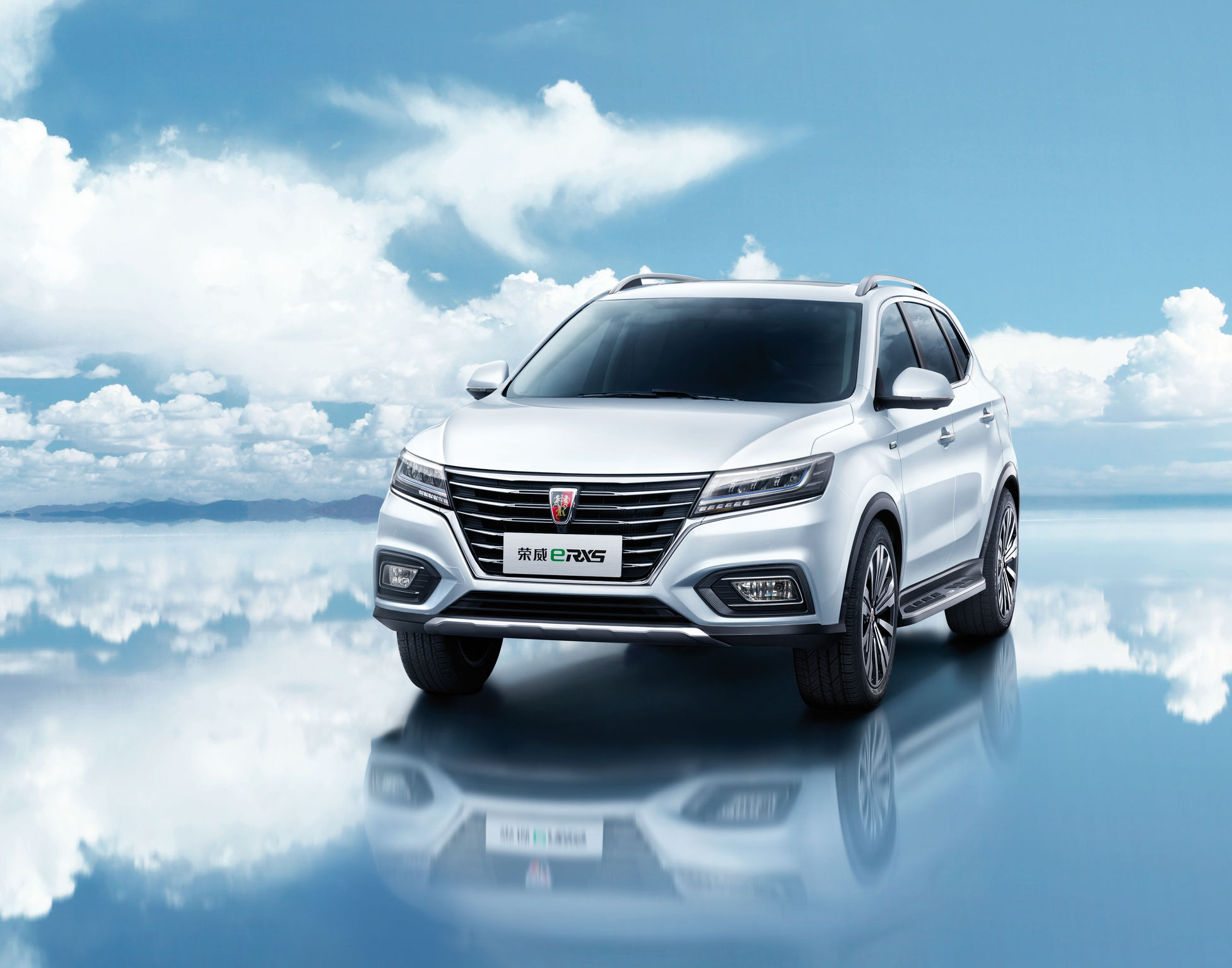
Image result for Roewe eRX5
SAIC joins the Top 10, mostly thanks to this model

Automotive Group 
Units % of sales
Renault-Nissan89.24512
Tesla73.22710
BYD Group71.0709
BMW Group
Geely Gr. (w / Zhidou)
68.687
68.494
9
9
BAIC58.7167
Volkswagen Group46.7306
Toyota39.4225
General Motors37.3875
SAIC
Hyundai-Kia
29.434
26.774
4
3

Looking at sales by automotive groups, the Renault-Nissan Alliance, now reinforced with Mitsubishi, is unsurprisingly in the Pole Position, but its share has dropped 2%, to 12% share, no doubt result of the Nissan Leaf generation change, while Tesla remained in Second Place, with a BYD on full charge climbing to Third, at the expense of the BMW Group, down to Fourth.

The 2017 Best Selling OEM seems to be in the hands of the Renault-Nissan-Mitsubishi trifecta, which has  successfully defending its lead over Tesla and BYD, with both OEMs struggling with production constraints.

As for the remaining players, rising star SAIC climbed to Tenth, meaning there are four Chinese OEMs (BYD; BAIC, Geely and SAIC) in the Top 10,  and i would't be surprised if it climbed a couple of positions in the future, as their models are possibly the best value for money PEVs in China.

Looking into 2018, the Renault-Nissan Alliance will receive an important reinforcement, with the new Leaf, possibly adding some 100k-120k units to the current tally, possibly ending the year at 220-250k units.

Tesla has its Model 3 to deliver en masse, a while ago i had predicted some 300k Model 3 deliveries next year, but considering the current state of the Tesla Nation, i believe its best to cut that to 250.000 units, adding some 100k from the Model S & X, and we have Tesla delivering around 350.000 units next year, which would make it the Best Selling OEM of 2018, a first for the Californian.

BYD is set to deliver some 110.000 units this year, a giant setback over the expected 200k for this year. So for 2018, it is complicated to forecast a number, especially because of their production ramp up issues, but i would say that it will be in the 175.000 units ballpark, a number that could put its podium position threatened by a fast growing BAIC.

As for the remaining OEMs, BMW and Geely will try to follow the pace of the aforementioned two, ending at around 150k, while the rest of the competition will be happy to reach 100.000 deliveries in one year.

Wednesday, February 1, 2017

Automotive Groups December 2016

Image result for general motors


Regarding 2015, there were some major changes, BYD jumped ahead of the Renault-Nissan Alliance (Haven't included Mitsubishi yet, as the Japanese brand was only included in October), and has set an ambitious goal of 200.000 units in 2017, while Tesla climbed to Third at the expense of the Volkswagen Group and hopes to reach BYD-level of deliveries this year.

But the 2017 Best Selling OEM title will be a three horse race, as a Renault-Nissan-Mitsubishi Alliance can also reach 200.000 units with relative ease, it's just a matter of producing the Renault Zoe at full speed, update the Nissan Leaf with a 40 kWh battery soon and actively sell the Mitsu Outlander PHEV.

Volkswagen's slow growth (Up only 6% YoY) has made it lose the Third spot and it wasn't surpassed by an ambitious (100.000 units goal for 2017!) BMW Group by just 300 units, so VW better shape up in 2017 and increase sales significantly, or else they will be on the uncomfortable role of also-rans, 2020 and its I.D. disruptive model is still some years away and a lot can/will change until then. 

BAIC is rising from the shadow of BYD and despite only selling half of the Chinese poster-child, it is growing significantly (The EC180 looks like a winner), so it wouldn't be surprising to see it reach 80.000 sales this year, same as the Geely Group, which has seen Volvo grow 50% and most importantly, Geely land with 17.000 units. Two OEMs to follow closely in 2017.

The same can be said about General Motors, growing 54% YoY in 2016 and that's without using the ace up its sleeve (Chevy Bolt). With the Bolt and Volt (Arriving soon to China) charging at full speed, anything less than doubling sales in 2017 will be considered a disappointment. As for the Cadillac CT6 PHEV career, i believe the ELR is a good sales indication...

Automotive Group  Units  % of sales
BYD 102.470 17
Renault-Nissan 86.247 1
Tesla 76.243 100
VW Group 62.480 1
BMW Group 62.157 3
BAIC 46.420 2
Zotye 37.363 15
Geely Group 32.760 3
General Motors 32.700 0
Mitsubishi 32.179 2


Looking at the percentage of plug-in sales of each OEM, besides the obvious case of Tesla, the two brands that have a significant share of EV's are BYD (17%) and Zotye (15%), with the remaining OEMs still having residual percentages, with the highest share of this third pack being the BMW and Geely Groups, both with 3% share. 

General Motors has a lot to improve, as their plug-ins still do not reach 1% of the Group sales, but even so, there are worse OEMs, like Toyota of Fiat-Chrysler... 


Sunday, October 2, 2016

Upcoming BEV Arrivals (Updated)

Image result for opel ampera e
2017 Opel Ampera-e

Discussing the upcoming Paris Auto Show with one of EVS readers, we have reached a timeline for a number of upcoming BEV models. Now updated with some more novelties for the next 18 months:

BAIC EH400 large sedan - H1 2017;

BYD Yuan & Song SUV's - Plug-in (BEV?) versions between Q4 2016 and Q1 2017;

Chevrolet Bolt / Opel Ampera-e - November symbolic arrival, deliveries ramp-up in December;

Opel version arrival in April in selected markets, dissemination across the continent in the 3/4 following months; 

Cowin C3R EV hatchback - Q4 2016;

Faraday Future SUV - Somewhere in the second half of 2017, we will see the first production units being delivered;

2017 Ford Focus Electric - Arrival December 2016, full scale production (100 units?) afterwards;

JAC iEV6E hatchback - Q4 2016;

Honda Clarity BEV - Second Half of 2017;

2018 Hyundai Ioniq BEV (40 kWh?) - Late 2017;

2017 Kia Soul EV (36 kWh) - January 2017;

2017 Nissan Leaf (40kWh battery) - LA Autoshow debut(?), December 2016 arrival, full scale deliveries in January;

Nissan Leaf II - 3Q 2017;

Qiantu K50 Speedster - Second Half of 2017?

Renault Zoe 40 kWh - October symbolic arrival, ramp up in November, full scale deliveries in December;

Renault Twingo EV & Nissan B compact EV - Q1 2017?

2017 Smart ED - December 2016?

Tesla Model 3 - First symbolic deliveries in September 2017, rest of the year to fine tune production, with moderate production quantities and high level of QC. USA-destined units. 

Beginning of 2018, significant ramp up, mainly targeted to North America. 

Second half of 2018, full scale production for all markets.

2017 Volkswagen BEV's - Larger batteries to arrive in January 2017;

XPeng EV SUV - Late 2017, ramp up in 2018.


Is anyone missing?

Wednesday, July 6, 2016

Top EV Automotive Groups - May 2016


In the beginning of the year, i've published the 2015 EV sales divided by Automotive Groups, let's see how the ranking is after the first five months of 2016.


Sales '16%Total Sales%

Renault-Nissan36.72915328.07422

BYD 34.00814121.6648

VW (VAG)21.852994.3306

Tesla 21.6779130.9249

BMW17.117769.1465

Mitsubishi15.6147150.58010

Geely12.881579.0505

GM10.7295122.5608


Comparing with the 2015 and all-time numbers:

- This year the Renault-Nissan Alliance is still in the leadership, but emerging BYD (14% share now vs 11% in 2015) is becoming increasingly menacing, it looks to be just a question of time until the Chinese Group becomes the Best Selling OEM when it comes to plug-ins;

- Another significant event to those less familiar with EV Sales, is that Tesla is selling as many plug-ins as the whole Volkswagen Group (Including, VW, Audi, Porsche...), although VAG is still new to the game, the fact is that it has lost 2% share regarding last year, while Tesla share has been stable throughout the years, surfing the EV wave at around 9 to 10% share;

- BMW is expanding its plug-in portfolio and it shows, with a steady climb, having surpassed Mitsubishi, which has suffered from a number of ailments (Emissions scandal, ageing BEV lineup, fiscal changes in key markets...), dropping 2% share regarding 2015, a poor performance for what it is still the historical Second largest EV Maker. Having a hard time to keep up with the times, Mitsu?


- Geely is stable in #7, with Kandi, Geely and Volvo performing ok in their respective price classes.

- General Motors has recovered some ground, rising to the #8 position, thanks to the Volt II, although it is still an embarrassing place to be for a OEM that once was among the pioneers in 2010/11 and inclusively won the Best Seller crown in 2012;

- A word of mention to the following positions, with BAIC in #9, Ford in #10 (4% share, below the historical average of 5%), SAIC in #11 and Daimler Group, of Mercedes and Smart, still languishing in #12, selling a third of the eternal rival BMW...Merc has a lot to recover. 

- Finally, looking at sales by OEM's country of origin, Chinese automakers are increasing their lead, having by now 36% of the market, up 5% over 2015 and 13%(!) over the historical record. Expect this lead to increase even further during the year, possibly reaching 50% share by year end.

Wednesday, December 24, 2014

New Cars for 2015

Here are some plug-ins that will make headlines in 2015:

BYD Tang: Plug-in SUV in China. Mission: To sell in the thousands per month...

The 2nd Gen Chevrolet Volt will be probably the most important launch of the year, volume wise


A rather Teutonic approach to plug-in cars, the Passat GTE intends to appeal to middle managers across Europe 

Tesla Model X: It was already in the 2014 Edition of this article...Will this time be for real?


Volvo XC90 T8: A Viking warship that is also eco-friendly...


Besides these, there are promises of a number of PHEV versions of regular cars, almost entirely of German origin, like the Merc C-Class, BMW X5 and 3-Series, Audi Q7 and A6, Volvo S60 and even Fiat-Chrysler is preparing a PHEV Minivan!

Finally, a question to our readers: Do you consider Fuel Cell Vehicles (Toyota Mirai, etc) as EV's?

ps - Merry Christmas, everyone!

Monday, December 23, 2013

EV Business Case Q4 - 2013

Batteries are critical for EV's

Batteries Edition

Just like engines in Formula One cars, batteries are the most important component for plug-ins and the one thing that usually car manufacturers don't build in-house, preferring to buy them/cooperate from established battery makers.

Digging a little deeper and finding out the relationships between EV and battery makers allows us to see a somewhat concentrated market, where three manufacturers dominate 80% of the market: AESC, Panasonic and LG. Let's look at them more closely:

- AESC is a joint venture between NEC and Nissan and they provide batteries for the Nissan Leaf and most of Renault's EV's, thanks to the global success of the Nissan Leaf and with the help of Renault sales, this is the #1 battery manufacturer, grabbing some 33% of the EV market in 2013;

- LG has been cooperating with GM and Ford, providing batteries for their EV's, and on top of that, it also sells batteries to Renault, allowing the South Korean company to have some 24% of the EV batteries market;

- Panasonic is the third musketeer and the one with the most high profile customers: Toyota and Tesla use Panasonic batteries, if the first is leader in hybrid cars and an important player in EV's, the second is currently the main consumer of battery cells thanks to the cell-heavy batteries of the Model S. With talks of Tesla and Toyota cooperating in the future and with Tesla ambitious growth plan, Panasonic should do well in the next few years;

 - Other contenders are Lithium Energy Japan (GS Yuasa / Mitsubishi), providing batteries for Mitsubishi, Siemens has a partnership with Volvo and Deutsche ACCUmotive is the provider for the Smart ED, others develop batteries in-house (BYD, Bolloré), while other battery makers are still on their first stages of EV partnership (Toshiba is teaming up with Honda and there's rumors that Samsung will cooperate with Renault).


Saturday, July 27, 2013

EV Business Case Q2 - 2013

Now that Ford saw the price drop thing work for others, it now wants to see if it works on her (On the Focus EV?!?!) 

"Prices down, Sales up" Edition

That's pretty much what can be said about this Second Quarter of 2013, with most of the sales results in, it's time to measure the winners and losers of this Quarter:


The winner camp have one thing in common: Be it price drops (Nissan), generous discounts (GM) or a brand new model with an attractive price (Renault), all focused in the price factor and all profited from it.

Nissan - With sales of the Leaf at 70.000 units, they now can afford to drop prices without losing much money on it, because most of the ROI (Return-On-Investment) is done, add that to local production and the ever-lowering cost of batteries, and is surely to expect in the beginning of 2014 another nice price drop announcement from Nissan while it prepares the 2nd Gen Leaf. That's what's nice in being pioneer, while others are figuring out how to enter a new market, you're already thinking on the next level.

GM - Another pioneer of plug-ins, the Volt family is now nearing the 50.000 landmark and with it the ROI already allows some price drops in the form of discounts (Now) and lower MSRP (Later in the year). GM acted just when it was suffering competition from others (Read: Nissan Leaf) and Volt sales were dropping (1.483 sales in April). With the needed incentives in the US market, sales recovered and went back to late 2012 levels (3.056 units in June), although the European Operation is still lagging behind (Incentives, anyone?). When one doesn't want to change the establishment, the establishment forces you to change.

Renault - Profiting from its best EV sales month since May 2012 and climbing three positions in the brands ranking to #3 since the last Quarter, the french carmaker can thank greatly to its new addition, the Zoe, a dedicated B-Segment electric car that sold 1.387 units in June, already close from the 1.500 units/month that Renault's hopes to sell. While not enough to be profitable per se in the short term, it should help the french manufacturer global ROI in electric cars and batteries, as well as ensuring that EV's get a foothold in Europe. Renault hopes to secure with the Zoe the best-selling electric car title in the Old World and reach the break-even point.


The loser side has just one manufacturer, but an important one.

Mitsubishi - In the end of March, the japanese carmaker was running on all cylinders and was the second best selling brand, just 1% (19%) behind the leader Nissan (20%). Now, it's in fifth place in the manufacturers ranking, lost 8% share (It's now at 11%) and worst of all, none of its models entered the June Top 10...The now famous battery problems were the cause for this sales plunge and Mitsu hopes that consumer confidence on their products haven't got shaken from it when it resumes production of its new sales-champion: The Outlander PHEV, having sold in no time all production it made before the battery problems and with an extensive waiting list across the world, the japanese manufacturer hopes to sell some 4.000 units/month and profit with it from a favorable ROI on their batteries (Remember the car itself has ICE versions, so the cost there is much diluted). On the pure electric side, Mitsu sold 30.000 units of its MIEV battery pack on the "i" and Minicab models, so it would be a waste for them not to invest in a new generation of pure electric cars. CA-Miev, anyone? Mitsubishi career in Plug-ins is like a roller coaster, in 2009 and 2010 it was the sales leader, 2011 and 2012 it was relegated to a secondary role, in the beginning of 2013, when it was preparing itself to recover the #1 spot, all hell broke loose and it went down again. Will it rise again and fight for Number One? It sure has the potential for it... 


Sunday, May 12, 2013

Where's Wally? - Looking for EV's in Belgium

Peugeot iOn and Tazzari Zero at a charging station in Brussels

Unlike their northern neighbors, Belgians are a practical bunch when it comes to cars,  preferring utility to any  statement-through-cars, proof of that are all the passenger Citröen Berlingo's and Renault Kangoo's around, with these kind of vehicles ranking regularly in the sales charts.

Are they into electric cars? Do they think EV's are worth it? Is it easy to see plug-in cars on the streets? Let's find out.

Renault Twizy -  With 521 units sold, it's the best selling EV in Belgium, the french moon lander quadricycle is still a rare sight, but they fit right in the well regarded historic neighborhoods of cities like Gent or Brugges. Speaking of Gent, while talking with students from the local university, they showed interest in electric cars, but said that high prices and small range were major turn offs.

Mitsubishi I-Miev family(1) - If we count all three models, this would be the best selling car, but i only saw one, it belonged to Zen Car, a Brussels based car sharing company, it was at a charging station (see picture above). People here see car sharing as a positive thing, saying that it's even more eco-friendly for urbanites than just buying an electric car, referring the limited availability of charging stations as an important factor for the slow sales of EV's.

Opel Ampera - I saw a grey one on the Gent-Brussels highway, after trying to take a picture, i asked my ride if he knew that the Ampera was electric, to which he replied: "Electric, eh? Eco-follies, that's what it is!"


(1) - Includes Peugeot iOn and Citröen C-Zero

Tuesday, April 30, 2013

EV Business Case - Q1 2013

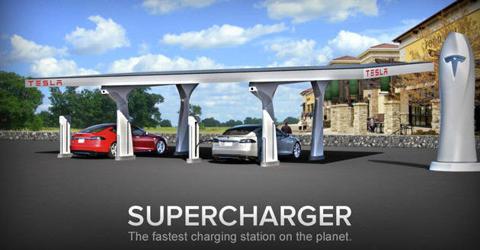
Tesla Supercharging Stations: Another Out-of-the-Box feature from Elon Musk firm. 

Now that 95% of this year Q1 data is available and looking at the business case of plug in cars, one can say that the only manufacturer making a profit with electric vehicles is Tesla, not only they are selling more than expected, the start up company is also selling each unit with a higher price than predicted, so the Q1 profit only comes as a natural consequence of that.

The rest of the market is trying not to lose much money in each unit sold, research and development costs are high, prices have to be realistic and the number of units sold are below expectations, with some CEO's discontent with these obstacles.

The truth is that it's a long hard road to electric profitability, but some are closer to than others, Nissan is now nearing 60.000 Leaf's sales (and let's not forget the additional 23.000 batteries sold by teammate Renault), allowing them to recover a good part of the investment and along with other measures, reduce the Leaf's price. Now with the production distributed by three factories, if (and that's a big "IF") they can produce some 2.000 units per factory, we are talking 6.000 units a month and 72.000/year, numbers that can put Nissan on the verge of  EV break even point by the end on 2014.

Will the tiny Spark make a difference on GM's electric strategy?

GM is also taking the same path thanks to the Volt project, but it's lagging behind Nissan, right now they are at 40.000 plus units of the Volt family and this year sales are below 2.000 units/month, as the increased competition dents on Volt sales.

GM has two ways to increase the investment recovery: A price reduction to increase sales (Still too early, maybe for the end of the year) or diversification with new models. With the Chevrolet Spark EV and the upcoming Cadillac ELR arriving this year, this looks to be the path followed by The General. If the ELR doesn't need to be a best seller, because of its premium price, for the Spark they will have to sell a lot of them for the model to be important to the GM EV strategy, and right now those large numbers seem rather questionable. For now the break even point for GM looks at least some three years away, maybe on the 2nd gen Volt...

As for Toyota, despite having sold more than 30.000 units of the Prius PHEV, they're not really that deep into plug-ins, regular hybrids are their (profitable) business and the PHEV version is just an extension of that program, so don't expect for Toyota to present new products in this segment, although putting a plug in a Prius Alpha/V/Plus shouldn't be much of an effort, right? (Wink, wink)


Monday, April 15, 2013

Where's Wally? - Looking for EV's in The Netherlands

Nissan Leaf Charging

In the Netherlands the title of this post lost a bit of sense, because i didn't had to look for them, as they were about everywhere, especially white Opel Ampera's, but also Plug in Prius (PiP) and some Leaf's and Mitsubishi i-Miev's.

Opel Ampera - A company favorite due to tax benefits and sweet deals made by Opel, they are now part of the auto landscape, being driven by young executives of both genders and wanting to show their green credentials.

Toyota Prius Plug in -  Also fairly common here, the first posterchild of greeness is also favored by companies interested in tax rebates. It is said that many of these plug-ins are used purely as hybrids because their drivers have fuel payed by their companies, so they don't bother on plugging them...

Fisker Karma -  I only saw one example of this handsome beast, a grey one parked in downtown Rotterdam, at the time i remembered Fisker's sales success in the Netherlands and the taste that dutch drivers have for stylish cars, realizing then: "Tesla will be sooo welcome here!..." 

Mitsubishi I-Miev family and Nissan Leaf - Limited to urban areas, they are still a rare sight and fail to ignite interest from company and private buyers alike.

Monday, March 25, 2013

Where's Wally? - Looking for EV's in Switzerland


My last trip was to Switzerland, one of the few countries in Europe where it's usual to see V6 and V8 powered cars running around the streets, and there i spent some time looking for EV's. When i said that to my swiss colleagues, they looked at me in a strange way and said: "EV's?!? But...Why?...You don't have by any chance a Prius, do you?". When i asked why, they answered me: "Well, here in Switzerland they say that the Prius is for gays..."

With this provocation in mind, i started to look for EV's and wanted to see if those preconceptions were widespread, here's what i found:

Mitsubishi I-Miev - The first EV i saw was a I-Miev in the Geneva Airport running around between lanes and airplanes and if you come to think of it, it's a smart use for EV's, small distances, low speeds, it's like a electric car heaven. The second (and last) car i saw from the I-Miev family was also a company car, so...No private sales here.

Renault Twizy -  The tiny Twizy is different and therefore a good way for companies to advertise, so the few i saw in the middle of big cities had company decals, making express deliveries at the same time they were used as mobile bilboards. And still no private buyers...

Opel Ampera - The one i saw apparently was a private car and after making a remark that the Opel had a plug, the guy that was with me said: "Wow, nice!...It doesn't look like an electric car!". When i asked him about how an electric car looks like, he answered: "Well, you know...Small, slow, flimsy...".

So, for private EV sales to increase here, they should suit the swiss tastes for SUV's and Sport(y) cars. Tesla has a good chance here to shine...


Saturday, December 29, 2012

My 2013 EV Preview

Opel Ampera

Based on what the media said that this year was going to be like, with one side, known as tree huggers reporting that EV sales would stratospherically climb to record heights, and some manufacturers hoping saying that this was the year of the electric car, while the other side of the spectrum, like Fox News, was classifying this type of vehicle like a fad, forecasting that sooner than later, they would disappear again in the ocean of bad ideas, just like they did by the end of the 90's, early 00's.

Well, with more than 100.000 units sold from January until November, how does it look the EV market?

First fact: Pure electric cars (BEV) like Nissan Leaf aren't growing that much, if at all, range anxiety is a reality, price tags are still on the high side and they suffer the competition from improved gas powered cars and Plug-In Hybrid Vehicles (PHEV), which leads us to...

Second Fact: Until November, Plug-In Hybrids grew by more than 300%! Not only the Volt family removed Nissan Leaf from the #1 spot this year, but also Toyota Prius PHEV got in it's first year the #2 EV spot, leaving the Nissan in a surprising third place. And for the first time, there were more plug-in hybrid sales (55.000) than pure electrics (52.000). This leads me to think that people prefer to have a middle term between gas and electrics vehicles, even if they have to sacrifice the EV range.

Deep down, both ends of the spectrum were wrong, people didn't started to buy EV's just because they existed, but the electric thing isn't going away anytime soon, as sales keep growing in a steady pace, reaching more and more countries and next year there will be new manufacturers joining the party, with the existing ones reinforcing the investments, contributing for the EV market to grow from the 120.000 units of 2012 to some 180-220.000 by the end of next year.

Let's see some of these new models:


Cadillac ELR - Well, hello gorgeous! One of the most handsome cars to be launched this year and certainly the first Cadillac that doesn't remind of J.R. Ewing of Dallas or rap music celebrities, this is the real entry of the storied marque in the XXI century, too bad it will cost some 60.000$...


GM Springo - It's design didn't came from the future like a Fisker Karma, but being derived from a conventional car can be a quality, especially a popular one like the Chevrolet Sail, because it assures that it can be sold cheaper and in this case, "cheap" is an important asset. Although without a Chevrolet badge, this EV is part of GM's worldwide strategy and was made with the chinese market in mind. If it can crack that market, there's a open road to make it a major EV seller. But that is a big "if".


Renault Zoe - The fourth musketeer in Renault's charge in the electric market, this is the car that will decide if Carlos Ghosn push into BEV was visionary or not. A handsome B segment with 210 kms range for just 21.000 € (plus a monthly battery fee), apparently the Zoe as it all to become the best selling EV in Europe.


Ford C-Max Plug-In - This was launched just a couple of months ago and it's already making an impact on the US market, previewing a great 2013 for Ford on the EV front. Along with the Fusion Plug-in, these two cars will put the Blue Oval as challenger in the US market, preparing the way for a worldwide distribution and become Ford an EV global player.


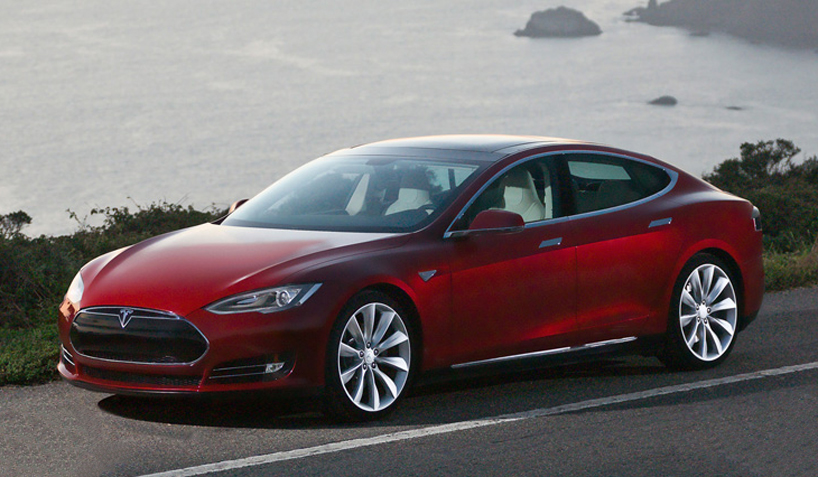
Tesla Model S - If there is a poster car for the electric revolution, this is it. Great looks on the outside, spacious on the inside, powerful, and above all, with an unparalleled electric range, this is a car intended to be the best car in the world. It's not going to top ranking sales, but it will do wonders for EV visibility.For some reason Toyota and Daimler-Mercedes have agreed collaborations with start-up Tesla...


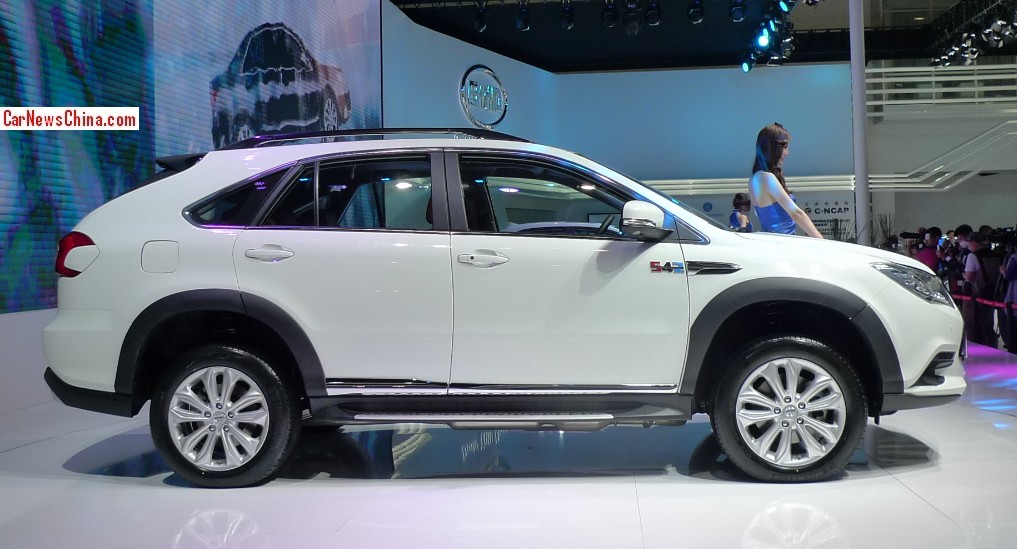
BYD Qin - Same goal as the Springo, different approach. Instead of a conventional design borrowed from a conventional  gas powered car, this is one stands out (especially the back) and has a Plug-In Hybrid powerplant instead of a pure electric approach. Visually appealing for chinese standards, the Qin has 315 hp in Hybrid mode, making it 2 seconds (0-62 in 6.9s) faster than the Chevrolet Volt. All things considered, it has a real chance to be successful outside its home market. Will it sell more more than its predecessor (F3 DM) in China? Probably, the question is how much.


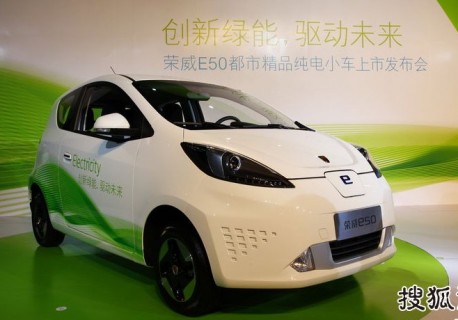
Roewe E50 - Finally someone other than BYD playing the Plug-In game in China. Despite a low-profile launch last December, this funky little hatch delivered a good starting month at 238 cars, so BYD could have  a worthy contender here.


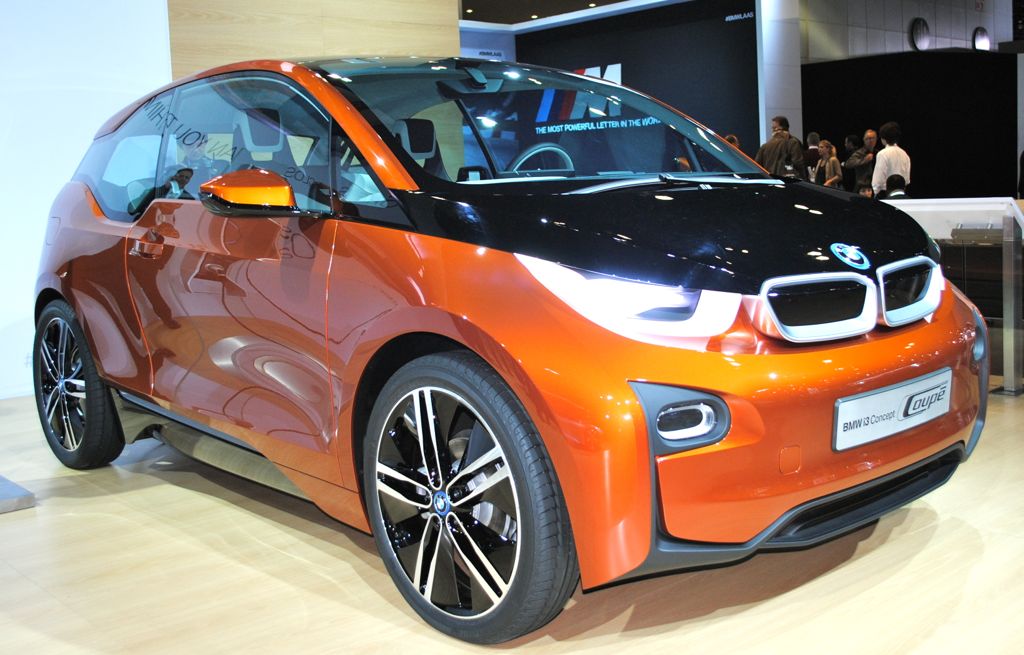
BMW i3 - The first true electric car from the bavarian maker, when it arrives to the market it will satisfy the ones who look for sporty DNA and the latest in technology (Built with carbon-fiber plastic), but don't mind to pay more for that. The question is how much more urbanites are willing to pay for it.


Volkswagen e-Up! - VW is coming late to the electric party, but it hopes to make an entrance with a splash and one of the first models will be this, an electrified version of the tiny Up!. With a promised price tag of 24.000 €, the e-Up! will help EV's popularity in Europe and especially in Germany, EU's largest market.


Volvo V60 Plug-In Hybrid - One of the favorite combos in Europe are station wagons with a diesel engine, so it isn't rocket science to think that adding electricity to that combination can be a sales success, so Volvo went for it and the first 1.000 units were sold even before the first car was delivered. The carmaker expects to sell 5.000 units in 2013, but i think that in this case actual sales will be stronger than the manufacturer's forecasts.