Showing posts with label Hyundai. Show all posts

Friday, October 30, 2020

Q1-Q3 2020 Sales by OEM


Looking at the 2020 sales by Automotive Group, we have:


PHEV+BEV


If we gather plugin sales by Automotive Groups, Tesla is ahead, with 18% share, down 1% regarding the previous June report, followed by the Volkswagen Group (13%), that increased the distance to the Renault-Nissan Alliance, to 5%, so the German conglomerate is midway between the #1 Tesla and the #3 Renault-Nissan. 

And to think that 2019 ended with the Volkswagen Group in 6th, with 6% share, 2 points behind the Renault-Nissan Alliance and a whole 11 points below the leader Tesla (17%)...At this pace, the Germans could beat Tesla by Q2 2021. Bets, anyone?

Below the podium, Hyundai-Kia rose to 4th, at the expense of the BMW Group, with both keeping the 7% share they had in H1. 

SAIC is now #6, with 110.000 units, benefiting from the success of the SGMW City EVs, and could displace BMW from the Top 5 by the end of the year.

With the plugin market this year growing at a 11% rate, while Tesla (+24%), Hyundai-Kia (+29%) and BMW (+17%) are growing at a slightly higher pace than average, but the Volkswagen Group is growing at warp speed (+168%), and it has been the OEM that has grown more in volume, in the past three months, beating even Tesla in that aspect. 

On the other hand, the Renault-Nissan Alliance has seen its sales drop, by 1%, harmed by the slowing sales that Nissan and Mitsubishi have been experiencing. Maybe Renault could be better off seeking new dance partners (Ahem, Mercedes, Ahem)?


BEV


Looking only at BEVs, the leader Tesla (26%) lost 2% share regarding H1, but it is still 3% above the 2019 result, while the Renault Nissan Alliance continues losing share, due to Nissan's slowing sales, dropping by 1% regarding the last quarter, to 9%, and the Alliance was surpassed by the Volkswagen Group, that has kept its 10% score, which is double its final 2019 score (5%).

SAIC is also on the rise, jumping to #4, thanks to the Wuling and Baojun EVs, while increasing its share to 8%, placing the Chinese OEM 2 points ahead of last year 6% share.

Comparing with the BEV+PHEV table, the big defeated is the BMW Group, that due to its heavy reliance on PHEVs, disappears from the Top 5, to the profit of the BEV-friendly SAIC.

Monday, August 3, 2020

H1 2020 sales by OEM

Looking at the 2020 sales by Automotive Group, we have:


PHEV+BEV


If we gather plugin sales by Automotive Groups, Tesla is ahead, with 19% share, followed by the rising Volkswagen Group (13%), that increased the distance to the Renault-Nissan Alliance, that lost 2% share regarding the first quarter of this year, but it is still above the 8% of last year. 

Both the #4 BMW Group and the #5 Hyundai-Kia kept their positions and both lost 1% share regarding three months ago, now having 7% share, but the balance is still positive for the Korean OEM, as they ended 2019 with 6% share.


What catches our eyes in this Top 5 is the absence of Chinese OEMs, last year we had two (BYD and BAIC), expect these OEMs to rebound in a big way in the second half of the year.


BEV


Looking only at BEVs, Tesla lost 1% share regarding Q1, but it is still 5% above the 2019 result, while the #2 Renault Nissan Alliance lost a significant amount of share in this second quarter, dropping from 13% in Q1, to the current 10%, and although is it still better than the 2019 final score (8% share), it has seen the Volkswagen Group is getting really close, now less than 1.000 units behind, although the German OEM has also lost 1% share regarding Q1, the current 10% share is double what VW Group had in 2019.

Expect the German OEM to climb to the Second Spot soon, possibly by end of Q3.


BYD is also on the rise, climbing one position to #4, while increasing its QoQ share by 1%, to 7%, but despite this recovery, the Chinese OEM is still behind last year result of 9% share.

Comparing with the BEV+PHEV table, the big defeated is the BMW Group, that due to its heavy reliance on PHEVs, disappears from the Top 5, while comparing with last year Top 5, the Chinese BAIC and SAIC are left out, but expect SAIC to rebound soon, as the Shanghai maker has recently increased its sales (and share).


Sunday, May 3, 2020

2020 Q1 Sales by OEM

Looking at the 2020 sales by Automotive Group, we have:
PHEV+BEV


If we gather sales by Automotive Groups, Tesla is ahead, with 19% share (Up 2% regarding 2019), followed by the rising Volkswagen Group (13%, up 7%), that jumped from 6th to 2nd, not a bad start for their Year Zero Plan to Rule the EV World, and the Renault-Nissan Alliance, that kept its 3rd spot, while increasing its share by 3%, from 8% last year, to the current 11%. 

The #4 BMW Group also increased share, by 1%, to 8% share, climbing one position regarding 2019, while the #5 Hyundai-Kia did even better, jumping three positions, from #8 to #5, all while increasing its share by 2%, to 8%


What catches our eyes in this Top 5 is the absence of Chinese OEMs, last year we had two (BYD and BAIC), now there's none, this is due the early effects of the Corona pandemic in China, expect these OEMs to rebound in a big way in Q2, as this market should be the only unaffected by the pandemic, with Tesla also beneffiting from it, now that they have a strong presence there.


BEV


Looking only at BEVs, Tesla expanded its lead, increasing its market share by 6% and more than doubling the result of #2 Renault Nissan Alliance, which has also saw its share inflate by 5%, allowing it to jump from #4 to the runner-up spot, but the Volkswagen Group is getting closer, having jumped from 6th to 3rd, and earning 6% share, to 11%, equaling Tesla in market share growth.


Hyundai-Kia is also on the rise, jumping from #7 to #4, increasing its share by 3%, running ahead of last year's Bronze Medalist BYD, that is now #5, with 6% share, down 3%.

Comparing with the BEV+PHEV table, the big defeated is the BMW Group, that due to its heavy reliance on PHEVs, disappears from the Top 5, while comparing with last year Top 5, the Chinese BAIC and SAIC are left out, but expect both to rebound soon, as both should increase their sales (and shares) significatly in the second quarter, while most OEMs outside China will have a hard time, due to the current pandemic.

Thursday, February 6, 2020

FCEV's Full Year 2019

Resultado de imagem para Hyundai Nexo"

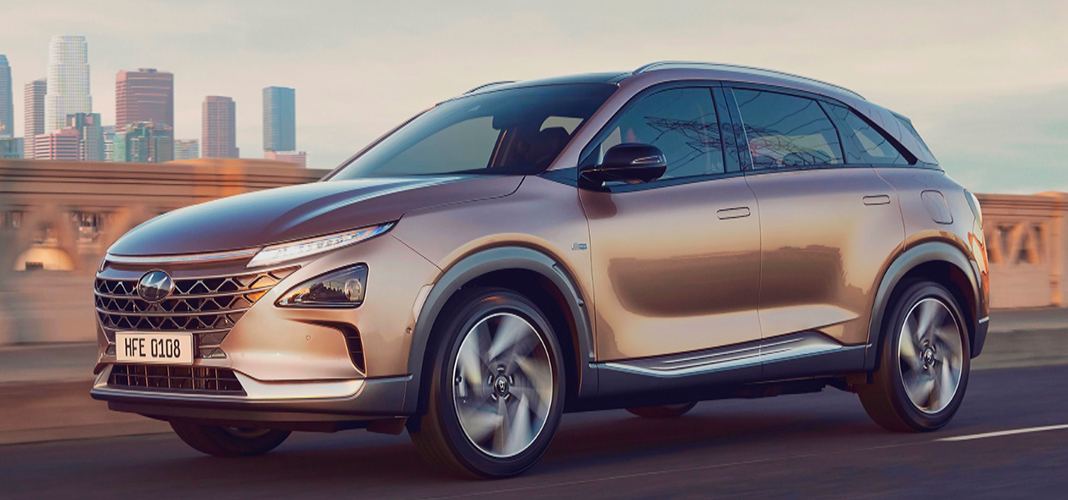
We take a look at Fuel Cell vehicles sales performance in 2019, the introduction of the Hyundai Nexo was the much needed spark that ignited sales (+90% YoY) to its best year ever (7,500 units), so Fuel Cells finally surpassed the EV sales score of…2010.

If they follow the same growth curve as plug-ins, we should see this technology reach 200.000 sales by 2022...Or not. 

But let's look at the individual performances of the three models currently on sale:

Hyundai Nexo - The first full year of the Korean Fuel Cell model ended at 4,818 units, 87% of them coming from its domestic market, the only market in the world where FCEV's are making itself noted. This result allowed Hyundai to recover the Best Seller title for the first time since 2014, shattering at the same time the Mirai previous yearly record (2.689 units, in 2017). For this year, expect the Korean SUV to continue growing, maybe hitting some 7.000 units for the full year. 

Toyota Mirai - 2.407 Mirai were registered in 2019, a slight (27 units) increase over the previous year, but below the 2017 result. Basically, the current Mirai is not capable of selling more than 2.000-something units/year. Maybe the Second Generation could sell around 1.000 units/month?

Honda Clarity FCEV - 349 units were registered in  2019, half of the 2018 numbers. Maybe realizing the disaster in its hands, Honda decided to switch to electric cars, and if the attractive Honda e is any indication, it should be an interesting future…


Tuesday, February 4, 2020

2019 sales by OEM


Looking at the 2019 sales by Automotive Group, we have:

PHEV+BEV


If we gather sales by Automotive Groups, Tesla is ahead, with 17% share (Up 5% regarding 2019), thanks to a 122,000 units sales growth regarding 2018, followed by BYD (10%, down 1%), that has seen its sales impacted by the subsidies change in China, and the Renault-Nissan Alliance, that dropped 1% YoY, to 9% share, that suffered from the slowing sales of the Nissan Leaf, with the 2018 podium repeating in 2019. 

The #4 BAIC also dropped 1%, to 7% share (down 2%) repeating last year place, with the #5 BMW Group also keeping the same position as in 2018, but in the case of the German Group, its slight growth rate allowed it to keep the same market share as in the previous year.

The Climber in the ranking was the Volkswagen Group, that in the Year -1 of its Plan to Rule the EV World, it jumped 3 spots, from #9 to #6, surpassing SAIC, Hyundai-Kia and the Geely Group, thanks to a 59,000 units growth regarding 2018, an amazing 70% growth rate, beating even that of Tesla (+50% YoY).

Will the German Group be able to outpace Tesla again in 2020? And in 2021?

Still, despite being surpassed by Volkswagen Group, SAIC, Hyundai-Kia and Geely all grew, with the Korean Group in particular growing at a significant 38% rate. 

Finally, with the demise of most of the smaller Chinese EV makers, Toyota(!) managed to climb to #10, growing 20% YoY, thanks to the start of its Chinese Operations. 


BEV


Looking just at the 1.6 million BEVs, Tesla expanded its lead, doubling the result of #2 BAIC, which was also the runner-up in 2018, while the slowing sales of the Renault-Nissan Alliance dropped it to #4, with BYD becoming the 2019 Bronze medalist, thanks to a 46% growth rate, so although in the BEV+PHEV table BYD has stagnated, in reality, BYD has replaced a significant part of their plugin hybrid sales for pure electric ones.

SAIC benefits from the unexpected success of the Baojun E-Series to climb into #5, the VW Group came out of obscurity straight into #7, while Hyundai-Kia, growing 46% YoY, ended in #6.

Finally, the fast growing GAC ended at #9, and could climb even more in 2020.

Friday, August 2, 2019

H1 2019 sales by OEM (Updated)

PHEV + BEV

1. Tesla (160.009)
2. BYD (141.459)
3. Renault-Nissan-Mitsubishi (100.736)
4. Geely Group (69.795)
5. BAIC (68.933)

If we gather sales by Automotive Groups, Tesla is ahead, with 14% share (Up 5% regarding June 2018), followed by BYD (13%, up 4%) and the Renault-Nissan Alliance,  that dropped from 1st to 3rd in 12 months, having seen share drop 2% YoY, to 9% share, while the #4 Geely Group is #4, with 6% (up 2% YoY), and BAIC dropped to 5th, with 6% share (down 2%).

In short, Tesla, BYD and Geely are winning share, while the rest is losing ground.


Looking at sales by brand origin, the Chinese is the unconstested leader, with 56% of all deliveries (up 10% YoY), while the USA profits from Tesla to rise to the runner-up spot (17%, up 3%), while Germany (11%, down 7%) and Japan (9%, down 2%) are sinking, with Korea (6%) now looking to become the third largest plugin vehicle power.


BEV only sales 

1. Tesla (160.009)
2. BYD (96.475)
3. Renault-Nissan-Mitsubishi (73.848)
4. BAIC (68.933)
5. Hyundai-Kia (42.605)

Looking just to BEVs, Tesla expands its lead to BYD and the Renault-Nissan Alliance, while the Geely Group is replaced by the Hyundai-Kia Group and BAIC rises to #4.

Friday, May 3, 2019

Global Sales by Automotive Group - Q1 2019


With the first quarter of the year done, it is time to see how the main PEV Automotive Groups have behaved:


1. BYD Group (71.504, +150%);

2. Tesla (63.000, +105%);

3. Renault-Nissan-Mitsubishi Alliance (60.031, +21%);

4. Geely Group (34.746, +109%);

5. BMW Group (29.208, +5%).


As we can see, the top two makers are really in a league of their own, more than doubling their sales. The Alliance (including JMC) is still close to the other two, but its growth rate is smaller.

Regarding 2018, Geely has jumped 3 spots, to 4th, surpassing its Chinese rivals and a stagnating BMW.


Looking just at BEVs, the ranking goes like this:

1. Tesla (63.000, +105%);

2. Renault-Nissan-Mitsubishi Alliance (46.768, +16%);

3. BYD Group (45.758, +758%);

4. BAIC (26.106, +21%);

5. Hyundai-Kia (19.632, +132%).


In the BEV ranking, Tesla is the expected leader, while BYD BEVs are growing exponentially, surely surpassing the Alliance soon, while the #5 Hyundai-Kia are also on the fast lane.

Sunday, February 3, 2019

2018 Global Sales by OEM (Updated)

Looking at the 2018 sales by Automotive Group, we have:


Regarding the previous post, both Tesla (12%) and BYD (11%) maintained their lead, but last year winner, the #3 Renault-Nissan Alliance (9%, -1%), lost a bit more ground, with the rising BAIC (8%, +1%) cutting distances to the podium, having surpassed BMW in November, to reach #4. 

Regarding the remaining OEMs, there is one significant change, with Hyundai-Kia surpassing the almighty VW Group and reaching #8, which says a lot about what is happening right now...


Interestingly, half of the Top 10 belongs to Chinese OEMs, and if we add Tesla to the Disruptors team, Legacy OEMs are a minority in the Top 10. Is this a sign of the New World Order in the automotive industry?

Looking at last year standings, and comparing it with 2018, there are noticeable changes, Tesla jumped from #5 to the leadership, Renault-Nissan dropped from #1 to 3rd, Geely dropped two positions, to #6, SAIC was up two spots to #6, while the Volkswagen was down two spots, to #9.

Highlighting the changing times, we have two new Automotive Groups in the Top 10, with Hyundai-Kia jumping to #8, and Chery reaching #10, kicking out General Motors, now #11, and Toyota (down to #15!) out of the Top 10. 

The Toyota case is particularly worrying, not only because it is one of the largest Automotive OEMs, and in this ranking is only #15, but also because in a fast growing market, it was one of the few (the only?) OEMs to lose sales (-10%) regarding 2017...


BEVs Only

Looking only at BEVs, the ranking would be like this:

1. Tesla (245.240);

2. BAIC (165.369);

3. Renault-Nissan (150.374);

4.  BYD (105.420);

5. Chery (64.897).

The disruption is even more visible here, with only Renault-Nissan on the Top 5, and Tesla winning even more easily.

In fact, if we have  increased this to a Top 10, we would only have another Legacy OEM here, Hyundai-Kia, #7, with 58.990 units.

So, BMW and the VW Group are still too PHEV-based to be considered one of the leading Legacy OEMs. Maybe things will look different in 2020? 

Thursday, November 2, 2017

Auotomotive Groups - September 2017

Image result for Roewe eRX5
SAIC joins the Top 10, mostly thanks to this model

Automotive Group 
Units % of sales
Renault-Nissan89.24512
Tesla73.22710
BYD Group71.0709
BMW Group
Geely Gr. (w / Zhidou)
68.687
68.494
9
9
BAIC58.7167
Volkswagen Group46.7306
Toyota39.4225
General Motors37.3875
SAIC
Hyundai-Kia
29.434
26.774
4
3

Looking at sales by automotive groups, the Renault-Nissan Alliance, now reinforced with Mitsubishi, is unsurprisingly in the Pole Position, but its share has dropped 2%, to 12% share, no doubt result of the Nissan Leaf generation change, while Tesla remained in Second Place, with a BYD on full charge climbing to Third, at the expense of the BMW Group, down to Fourth.

The 2017 Best Selling OEM seems to be in the hands of the Renault-Nissan-Mitsubishi trifecta, which has  successfully defending its lead over Tesla and BYD, with both OEMs struggling with production constraints.

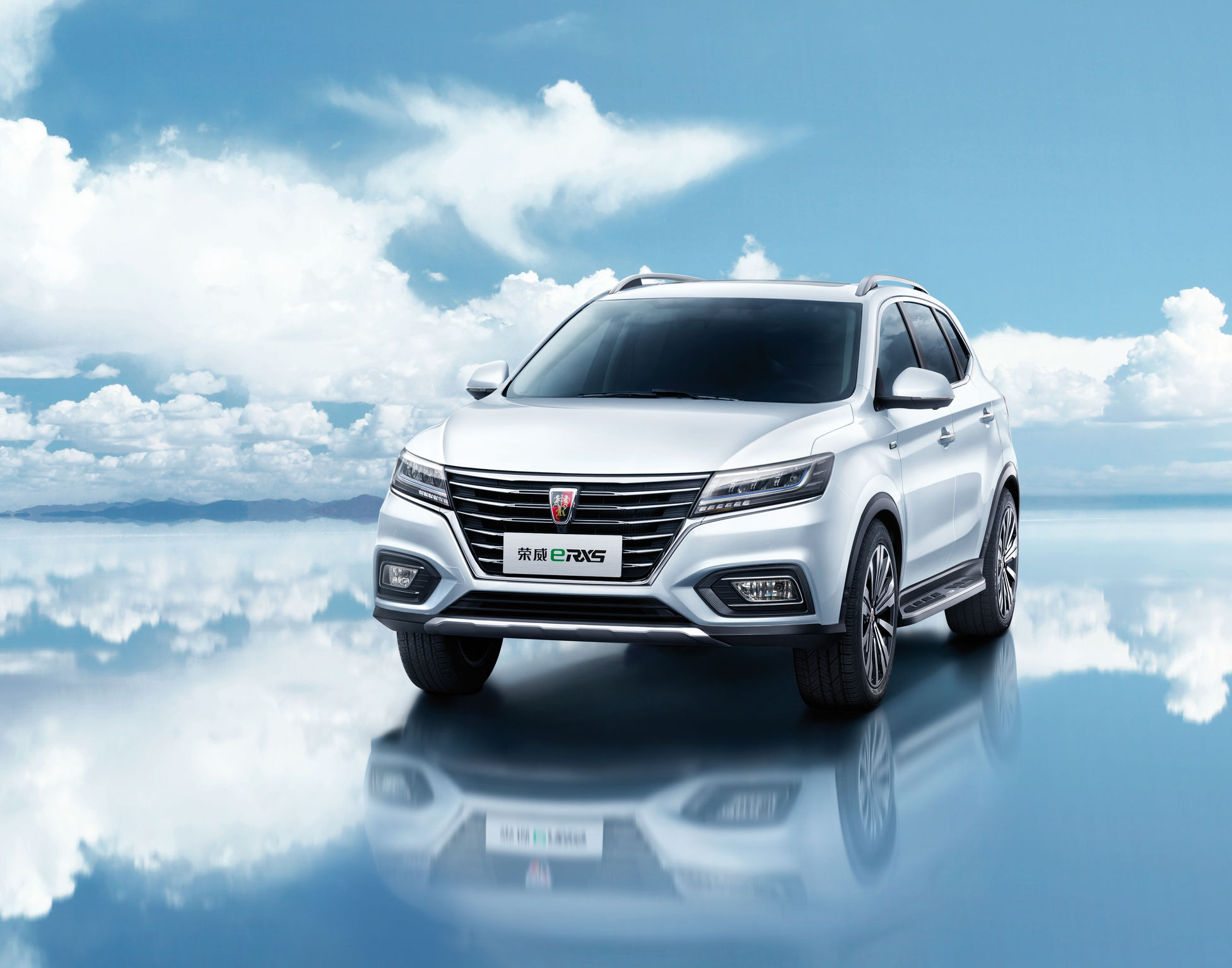
As for the remaining players, rising star SAIC climbed to Tenth, meaning there are four Chinese OEMs (BYD; BAIC, Geely and SAIC) in the Top 10,  and i would't be surprised if it climbed a couple of positions in the future, as their models are possibly the best value for money PEVs in China.

Looking into 2018, the Renault-Nissan Alliance will receive an important reinforcement, with the new Leaf, possibly adding some 100k-120k units to the current tally, possibly ending the year at 220-250k units.

Tesla has its Model 3 to deliver en masse, a while ago i had predicted some 300k Model 3 deliveries next year, but considering the current state of the Tesla Nation, i believe its best to cut that to 250.000 units, adding some 100k from the Model S & X, and we have Tesla delivering around 350.000 units next year, which would make it the Best Selling OEM of 2018, a first for the Californian.

BYD is set to deliver some 110.000 units this year, a giant setback over the expected 200k for this year. So for 2018, it is complicated to forecast a number, especially because of their production ramp up issues, but i would say that it will be in the 175.000 units ballpark, a number that could put its podium position threatened by a fast growing BAIC.

As for the remaining OEMs, BMW and Geely will try to follow the pace of the aforementioned two, ending at around 150k, while the rest of the competition will be happy to reach 100.000 deliveries in one year.