Showing posts with label Toyota. Show all posts

Thursday, February 6, 2020

FCEV's Full Year 2019

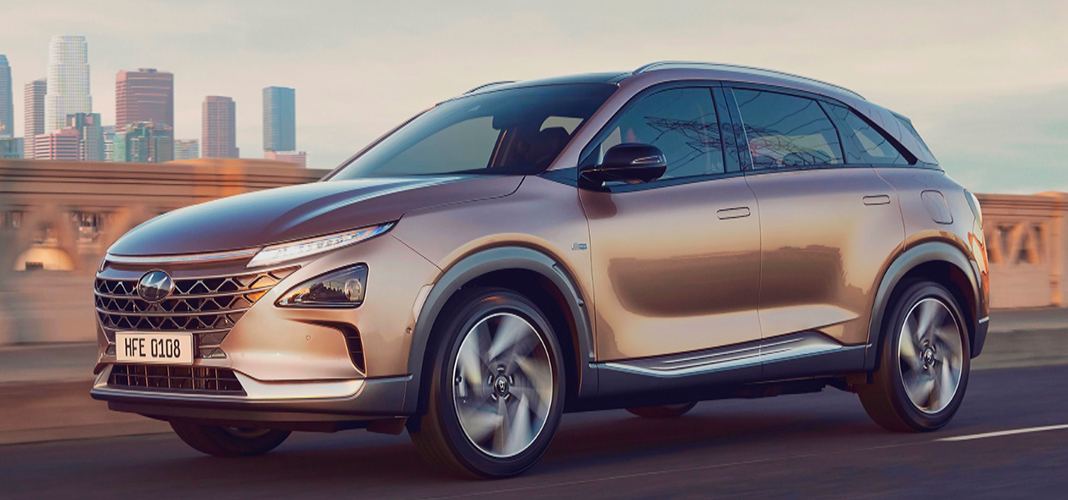
Resultado de imagem para Hyundai Nexo"

We take a look at Fuel Cell vehicles sales performance in 2019, the introduction of the Hyundai Nexo was the much needed spark that ignited sales (+90% YoY) to its best year ever (7,500 units), so Fuel Cells finally surpassed the EV sales score of…2010.

If they follow the same growth curve as plug-ins, we should see this technology reach 200.000 sales by 2022...Or not. 

But let's look at the individual performances of the three models currently on sale:

Hyundai Nexo - The first full year of the Korean Fuel Cell model ended at 4,818 units, 87% of them coming from its domestic market, the only market in the world where FCEV's are making itself noted. This result allowed Hyundai to recover the Best Seller title for the first time since 2014, shattering at the same time the Mirai previous yearly record (2.689 units, in 2017). For this year, expect the Korean SUV to continue growing, maybe hitting some 7.000 units for the full year. 

Toyota Mirai - 2.407 Mirai were registered in 2019, a slight (27 units) increase over the previous year, but below the 2017 result. Basically, the current Mirai is not capable of selling more than 2.000-something units/year. Maybe the Second Generation could sell around 1.000 units/month?

Honda Clarity FCEV - 349 units were registered in  2019, half of the 2018 numbers. Maybe realizing the disaster in its hands, Honda decided to switch to electric cars, and if the attractive Honda e is any indication, it should be an interesting future…


Tuesday, February 4, 2020

2019 sales by OEM


Looking at the 2019 sales by Automotive Group, we have:

PHEV+BEV


If we gather sales by Automotive Groups, Tesla is ahead, with 17% share (Up 5% regarding 2019), thanks to a 122,000 units sales growth regarding 2018, followed by BYD (10%, down 1%), that has seen its sales impacted by the subsidies change in China, and the Renault-Nissan Alliance, that dropped 1% YoY, to 9% share, that suffered from the slowing sales of the Nissan Leaf, with the 2018 podium repeating in 2019. 

The #4 BAIC also dropped 1%, to 7% share (down 2%) repeating last year place, with the #5 BMW Group also keeping the same position as in 2018, but in the case of the German Group, its slight growth rate allowed it to keep the same market share as in the previous year.

The Climber in the ranking was the Volkswagen Group, that in the Year -1 of its Plan to Rule the EV World, it jumped 3 spots, from #9 to #6, surpassing SAIC, Hyundai-Kia and the Geely Group, thanks to a 59,000 units growth regarding 2018, an amazing 70% growth rate, beating even that of Tesla (+50% YoY).

Will the German Group be able to outpace Tesla again in 2020? And in 2021?

Still, despite being surpassed by Volkswagen Group, SAIC, Hyundai-Kia and Geely all grew, with the Korean Group in particular growing at a significant 38% rate. 

Finally, with the demise of most of the smaller Chinese EV makers, Toyota(!) managed to climb to #10, growing 20% YoY, thanks to the start of its Chinese Operations. 


BEV


Looking just at the 1.6 million BEVs, Tesla expanded its lead, doubling the result of #2 BAIC, which was also the runner-up in 2018, while the slowing sales of the Renault-Nissan Alliance dropped it to #4, with BYD becoming the 2019 Bronze medalist, thanks to a 46% growth rate, so although in the BEV+PHEV table BYD has stagnated, in reality, BYD has replaced a significant part of their plugin hybrid sales for pure electric ones.

SAIC benefits from the unexpected success of the Baojun E-Series to climb into #5, the VW Group came out of obscurity straight into #7, while Hyundai-Kia, growing 46% YoY, ended in #6.

Finally, the fast growing GAC ended at #9, and could climb even more in 2020.

Monday, January 29, 2018

2017 Global Sales by OEM

Related image

The Global December sales post is coming soon, but taking on a reader suggestion, i've decided to post this Top 10 ranking by Automotive Group, the 2017 edition was truly exciting to see unfold, with several OEMs separated by what can only be described as split hairs, which bodes well for the dynamics of the market, with no one truly owning the market. And that's how i like it: "Diversity breeds Competition, Competition breeds Improvement".

Here are the 10 Best Selling OEMs of 2017:

1. Renault-Nissan Alliance (119.195 units)

The addition of Mitsubishi to the lineup masked a soft selling year, mostly due to the sunset-mode of the Nissan Leaf, but with its new version arriving soon, expect The Alliance to continue prospering throughout 2018. reaching between 200k to 250k units in 2018.

2. BYD Group (113.949)

Despite a struggling start, BYD got their act together and even managed to surpass their chronic production constraints, growing 14% regarding 2016. Growth is expected to continue in 2018, but with (even) more aggressive OEMs coming right behind it, it could have its podium place in danger this year...

3. BAIC Group (104.536)

The surprise of the year. Thanks to the EC-Series, the 2017 Best Selling EV, Beijing Auto, which includes Changhe Auto, became the Third largest OEM in the plug-in world, and if we limit just to BEVs, it is the Biggest, overcoming Tesla and the Renault-Nissan Alliance. How high can it go this year? Even it the 2017 growth rate (+126%) is not possible to repeat, i guess 170k units will be a reasonable target for BAIC to beat.

4. Geely Group (103.194)

The Chinese juggernaut, known to have almost as many brands as the Volkswagen Group, profited from the general growth of their plug-in offer (Zhidou, Geely, Volvo, etc...) to post a surprising result of over 103.000 units. With yet another brand addition to the lineup in 2018, with the recent, and irreverent, Lynk & Co starting to make their own PEVs, Geely is set to continue on the growth path throughout 2018.

5. Tesla (103.122)

Despite what some fanboys dream, the American brand is not (yet, at least) taking over the EV world, in fact in 2017 its growth rate (36%) was below what the global PEV market (+58%) had, so in fact, Tesla lost share last year...Expect things to change radically in 2018, with the Model 3 ramp up, with the brand deliveries expected to reach some 250k units by year end, which, it should be said, is no garantee to earn its first Best Selling Maker award, as other OEMs (Read: Chinese ones) are also stepping up dramatically. 

6. BMW Group (103.080)

In a very German way, the Luxury maker said previously it was going to reach 100.000 in 2017, and so it did, making it the Best performing legacy OEM by far. Sure, most are short-range PHEVs, but neverthless, they count here and they helped to Place BMW as the last of the "Big 6" plug-in makers of 2017. With a target of 150.000 PEVs set for 2018, count them in to reach such number, with some units to spare.

7. Volkswagen Group (70.314)

The Volkswagen Group was the Best Seller of the laggards Group B, with 70.000 units, currently struggling with shortage supply of batteries for some models (VW e-Golf, Porsche Panamera PHEV...), and not enough love regarding some other models (VW e-Up!), apart from the e-Golf (30 k in 2018?), do not expect significant growth coming from here, as their eyes are all set in 2019.

8. SAIC Group (56.149)

The smallest of the Chinese "Big 4", it has nevertheless great prostpects for 2018, not only because of the potential of the Wuling E100 (This model alone can reach some 60k in 2018), but Roewe will continue to grow, and with the addition of MG to the plug-in lineup, sales can only go up, maybe even surpassing the 150k of BMW...

9. General Motors (55.188)

It might come as shock to many of the readers, maybe in the same degree as seeing Tesla only in Fifth, but the #9 spot of General Motors is simply explained: Bad management. By concentrating their efforts in North America, they are letting go of the two largest engines of growth, the first is by far China, where they have two models (Buick Velite/Volt & Cadillac CT6 PHEV) with the wrong kind of technology (China is BEV-friendly), both selling poorly, while they have a possible winner (Bolt) still slowly ramping up production in their US factory after more than a year on the market. Which leads us to to the Second Engine of growth (Europe), where GM was greedy while negotiating  the Opel sell to PSA, effectively ending the Ampera-e (Bolt) career in Europe. Actually, the current GM management is akin to the current USA goverment: "America First". The problem for them, is that the America global relevance is getting smaller and smaller every passing day and the world will go on, regardless of what happens there. (And why did i remembered the UK's Brexit?) 

10. Toyota (50.883)

Another surprise, just one model, a plug-in hybrid no less, allows Toyota to close this Top 10, ahead of heavyweights like Hyundai-Kia (41k), or Daimler-Mercedes (37k). Caught on the Fuel Cell delusion, Toyota efectivelly lost the upper-hand it had for years with the hybrid game, and only now is trying to get in the next generation (PEV) game. But do not rule them out, with millions of happy customers running around in their hybrids, their base will be a huge plus point, once they are back in The Game. If they reached #10 with only one model, image what they can do with two or three more...


Thursday, November 2, 2017

Auotomotive Groups - September 2017

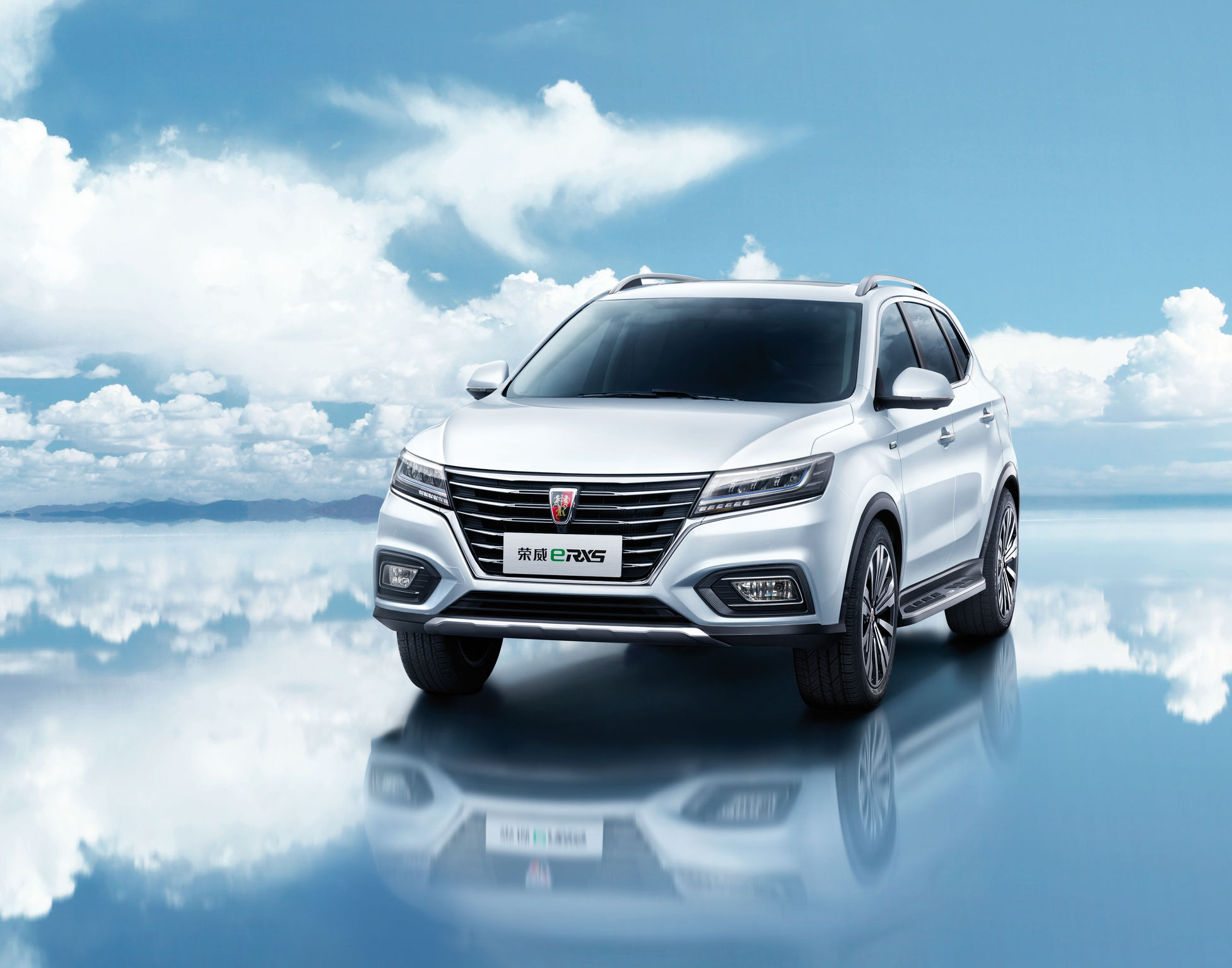
Image result for Roewe eRX5
SAIC joins the Top 10, mostly thanks to this model

Automotive Group 
Units % of sales
Renault-Nissan89.24512
Tesla73.22710
BYD Group71.0709
BMW Group
Geely Gr. (w / Zhidou)
68.687
68.494
9
9
BAIC58.7167
Volkswagen Group46.7306
Toyota39.4225
General Motors37.3875
SAIC
Hyundai-Kia
29.434
26.774
4
3

Looking at sales by automotive groups, the Renault-Nissan Alliance, now reinforced with Mitsubishi, is unsurprisingly in the Pole Position, but its share has dropped 2%, to 12% share, no doubt result of the Nissan Leaf generation change, while Tesla remained in Second Place, with a BYD on full charge climbing to Third, at the expense of the BMW Group, down to Fourth.

The 2017 Best Selling OEM seems to be in the hands of the Renault-Nissan-Mitsubishi trifecta, which has  successfully defending its lead over Tesla and BYD, with both OEMs struggling with production constraints.

As for the remaining players, rising star SAIC climbed to Tenth, meaning there are four Chinese OEMs (BYD; BAIC, Geely and SAIC) in the Top 10,  and i would't be surprised if it climbed a couple of positions in the future, as their models are possibly the best value for money PEVs in China.

Looking into 2018, the Renault-Nissan Alliance will receive an important reinforcement, with the new Leaf, possibly adding some 100k-120k units to the current tally, possibly ending the year at 220-250k units.

Tesla has its Model 3 to deliver en masse, a while ago i had predicted some 300k Model 3 deliveries next year, but considering the current state of the Tesla Nation, i believe its best to cut that to 250.000 units, adding some 100k from the Model S & X, and we have Tesla delivering around 350.000 units next year, which would make it the Best Selling OEM of 2018, a first for the Californian.

BYD is set to deliver some 110.000 units this year, a giant setback over the expected 200k for this year. So for 2018, it is complicated to forecast a number, especially because of their production ramp up issues, but i would say that it will be in the 175.000 units ballpark, a number that could put its podium position threatened by a fast growing BAIC.

As for the remaining OEMs, BMW and Geely will try to follow the pace of the aforementioned two, ending at around 150k, while the rest of the competition will be happy to reach 100.000 deliveries in one year.

Saturday, October 21, 2017

And the 2017 Best Seller is...

Image result for Tesla Model S vs Prius Prime


...Complicated.

I don't think we have ever seen such tight races going into the last Quarter, as will be shown in the upcoming September World Top 10 article, the race for this year best selling model has three models separated by less than 2.000 units (Tesla Model S and Prius Prime, both at 39k units, with BAIC EC-Series - 38k units. All provisional numbers).

And the Fourth Placed is not far behind, with 36k, but because it is the Nissan Leaf and its Q4 will be no man's land, due to the transitional period into the new generation (Arrives in October to Japan, but first units only arrive in the US in December and in the case of Europe, in January), sales will suffer, so we can already discard it from the race.

So, back to the Top 3.

The Tesla Model S and Prius Prime are running neck to neck (Less than 200 units difference) to end September in Number one, with the Californian beating its all-time record and registering some 8.100 units last month, which means the Model 3 introduction not only didn't hurt sales, but actually helped to increase them.

We will only know the Japan sales of the Prius later in the month (Usually it's the last market to show data), but aside from a surprise deliveries surge, the Japanese hatchback is suffering from production constraints and hasn't yet released its full potential, running at 4.000-something units per month, when it could possibly reach some 10.000/month (It's record month was May, with 7.600 units).

So Toyota could win the 2017 Best Selling model title, IF it pushes the production of its PHEV forward. 

Now...Are they able/willing to do it?

But let's talk about the Dark Horse in the race, the BAIC EC-Series, in less than 12 months in the market, BAIC's first dedicated EV stirred the local market and has already sold over 42.000 units, being its already in its 2.0 version, thanks to an increase in the original range, from 180 to 200 kms, which originated a sales surge, jumping from 2.5k deliveries in June, to September's 9k, a new all-time record for a single model anywhere in the world.

Considering that the Chinese PEV market usually ends the years on a high note, it wouldn't be surprising if the little city could replicate those 9.000 registrations in the remaing months of the year, pulling their sales to some 65.000 units.

Considering the likely Q4 results of the Top 2 being some 14.000 units for the Model S and 16.000 for the Prius Prime, we would have the following 2017 podium:

1. BAIC EC-Series (65.000)

2. Toyota Prius Prime/PHEV (55.000)

3. Tesla Model S (53.000)

A surprising podium, not only because of the Prius, coming from almost 0 to Second Place, but mainly because, for the first time ever, a Chinese model would win the trophy, with the added surprise of  not coming from the BYD stable.

Image result for BYD
BYD Song
Speaking of BYD...What about the manufacturers ranking?

Things are also interesting, if not so tight.

In theory, we have three constestants to the Best Selling Manufacturer trophy, with Tesla in the lead, with 73.000 units, followed by BYD at 69.000 and BMW, with 66.000.

In reality, i doubt BMW will be able to follow the other two, despite having reached for the first time the five digit mark in September, with little over 10k, the truth is that the German carmaker lacks BYD's consistency while Tesla is 7k ahead and with the Model 3 kicking up sales, it shouldn't pose any threat to the US automaker too. 

Reaching the 100.000 mark this year would already be a big win for BMW.

So that leaves us with Tesla and BYD.

Regarding Tesla Q4 results, besides the Model S usual good form (14k units), the Model X should have above average results, thanks to the possible fiscal changes in Norway, which could mean a sales peak for this model in that market, so i'm guessing some 13.000 deliveries in the last quarter.

Add some 5.000 units coming from a Model 3 trying to leave Production Hell, and we have some 32.000 units being registered in Q4 2017, equalling to 105.000 units delivered this year.

What about BYD?

With the ambitious goals for this year (200k sales) now a thing of the past due to a miserable Q1, with only 9.000 deliveries, BYD is back on track and slowly improving month after month (Their own Production Hell?), having reached 11.800 units in September. If this slow production ramp up continues into December, we can see it deliver some 37.000 units in Q4, ending the year with 106.000 units. 

So, the final tally of the year would be:

1. BYD (106.000)

2. Tesla (105.000)

3. BMW (100.000)

Considering the small difference between BYD and Tesla, and unlike the models race, where we predict the Dark Horse stealing the show, in the manufacturers ranking it's really an open race, especially considering both brands are production constrained and will depend more on their ability to increase production output than actual demand.


Tuesday, August 1, 2017

Fuel Cells June 2017 - Fools Cells?


We take a look at Fuel Cell vehicles sales performance in the first half of 2017, after the introduction of the Toyoa Mirai in 2015, FCEV's are on their Year Two, more or less where EV's were in 2012, so if they follow the same growth curve as plug-ins, we should see this technology reach 100.000 sales this year.

Well, is it going to reach six digits? At 1.602 units registered this year, up 39% YoY, it is well below that, if they reach 5.000 this year, it will already be a good result

But let's look at the individual performances of the three models currently on sale:


Image result for toyota mirai specs
Toyota Mirai - 1.169 Mirai were registered in 2017, a small step above the 1.020 of the previous year, but well below expectations. I had thought the model would be selling around 1.000 units/month, so...Why the slow sales?


Image result for Honda Clarity FCEV
Honda Clarity FCEV - 359 units were registered in  the first half of its first full sales year, well above the 113 units of 2016, its landing year, but below expectations (1.000 units in the first half of 2017). But the interesting thing here is that Honda, maybe realizing the upcoming disaster, decided to make the car available also as PHEV and BEV. It will be up to the consumer to decide what to pick, and i bet both the BEV and PHEV will outsell the FCEV version...


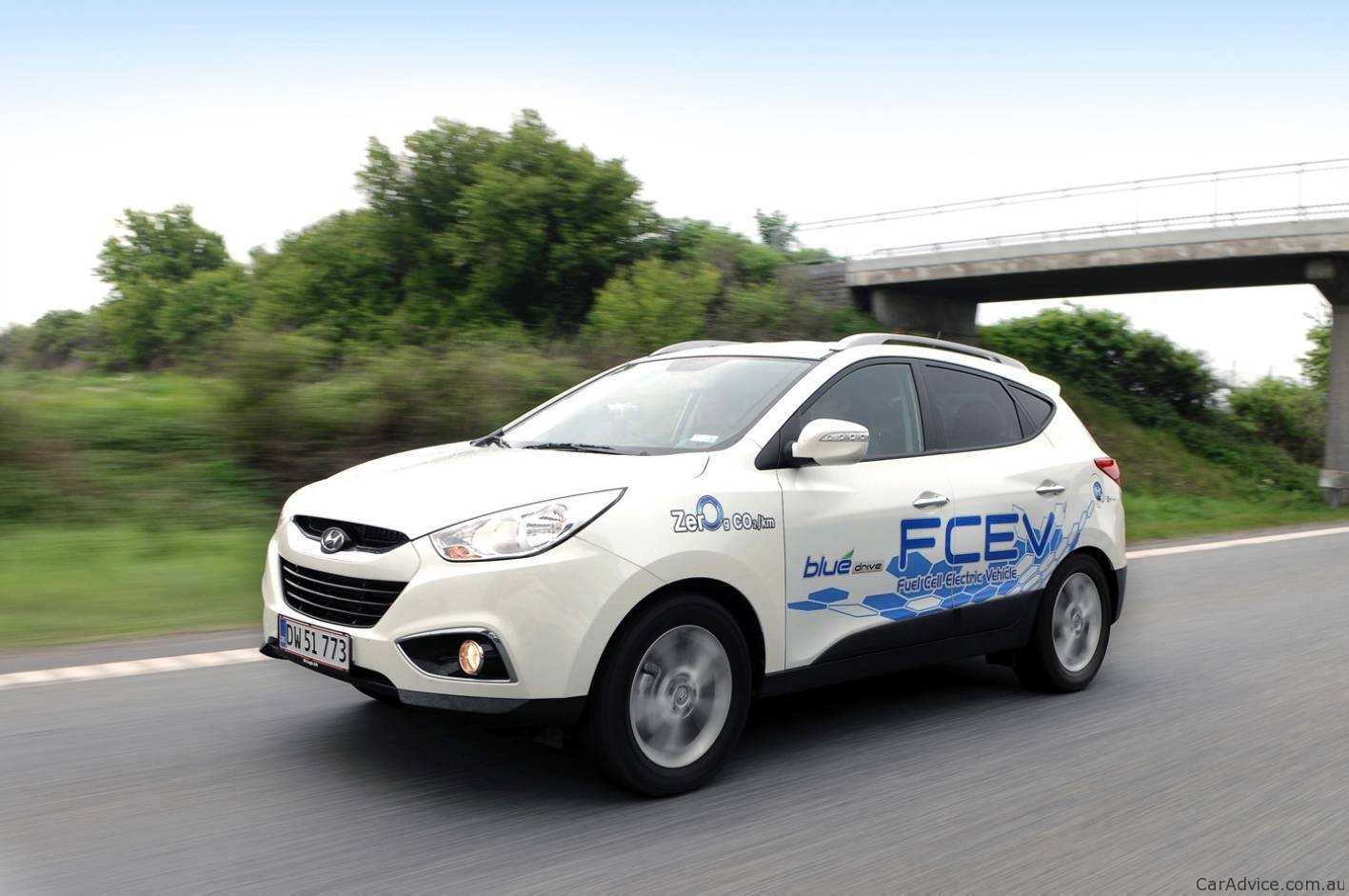
Image result for hyundai ix35 fcev
Hyundai ix35/Tucson FCEV - Numbers of the Korean Fuel Cell dropped slightly regarding 2016, with 74 units being registered this year. A discontinued model in its ICE form, and currently being done by special order, it is  amazingly still the best selling FCEV in Europe, with 46 units.


Image result for Tesla model 3
If the Model 3 is BMW's boogeyman, imagine what it should be to Fuel Cells...
(Spoiler alert: Diapers needed)

The Future

Looking forward, the upcoming 2018 Hyundai FE Fuel Cell may be the technology last chance to survive, said to have 800 kms range and, crucially, cheaper than the 65.000 euro, it could be the break out model needed to reach the tens of thousands units per year, the minimum needed to start creating economies of scale.

Thing is...2018 will be Year One of the EV entry into the mainstream, with exponential growth and at least three models surpassing the 100.000 units sales per year (Tesla Model 3 - 300k; Nissan Leaf II - 150-200k; Toyota Prius Prime/PHV - 120k), and the Chinese market continuing to grow in large volumes, the economies of scale for PEVs are becoming too large for Fuel Cells to follow suit.

And with no other automakers betting for real in FCEVs, it all looks that the technology will become a footnote in the passenger car history, possibly as part of a Fools Cell joke.

Now, regarding Heavy Duty Trucks and Buses, they could still have a shot of success here, but with with the Tesla Semi Truck coming in a couple of years and the Chinese BEV Bus makers preparing to invade foreign markets, the window of success is becoming smaller and smaller...


Monday, July 3, 2017

Tesla Model 3 2017 Deliveries Ramp Up


Image result for Tesla Model 3

With the Model 3 deliveries set to be around 20.000 to 30.000 this year, it is now safe to assume that Toyota can already order the 2017 Best Selling PEV Model trophy for its Prius Prime/PHV and BYD can add the 2017 trophy to their previous two Best Selling Manufacturer titles (2015 and 2016). 

Sunday, May 22, 2016

FCEV's: Fools Cells?

The Three Fuel Cell Musketeers: Mirai, Clarity and Tucson/ix35

2016 was heralded by many as the "Year of the Fuel Cell" because it will be the first full year of regular production of the Toyota Mirai and the introduction year of the Honda Clarity, which, adding to the already existing Hyundai Tucson/ix35 SUV, makes three models to choose from for prospective buyers interested in this kind of technology.

Unlike many detractors, which call them Fools Cells, i actually envision a future for this kind of technology, but also unlike the promoters of FCEV's, i just don't see them facing Battery Electric Vehicles head to head in the mainstream passenger cars, for me, Fuel Cells will be a niche player for larger, heavy-duty vehicles, a bit like Diesel is now in the USA and other markets outside diesel-loving Europe.

Let's see which are the main reasons for this assumption:

  • Oil and Gas Industry are closely connected with Fuel Cells.
Unlike BEV's, where Electricity Utility companies are not actively lobbying, the almighty Oil and Gas industry are promoting heavily FCEV's as a way to keep their business running in a future with reduced revenue from oil, so it is expected for this technology to be more subsidized than BEV's, because of intensive lobbying and "high powers that be" will to keep on running business as usual.

  • Fuel Cell technology does have its strong points.
The most important of them being fast refueling (Compared with a BEV) and reduced emissions (Compared to a gas car), so FCEV's can make a strong case for themselves when compared to regular ICE cars and even compared to BEV's in some specific niches, like long-range buses or heavy-duty trucks (Or even airplanes), where vehicles are used almost continuously, without time to stop and recharge for long periods, these advantages are key for the future for FCEV's. 

  • But they also have downsides.
Besides the debatable question of reduced emissions, as it depends on which side of the wall you are in, there are unquestionable downsides to the technology, not only it is much more complex (And expensive) than a pure electric car, but it also uses a lot of space, which is another area where BEV's excel, comparing with regular cars. Add that to the fact that FCEV's are 6 to 7 years behind in economies of scale, regarding BEV's, and you have the main reasons for Fuel Cells losing the mainstream passenger car market to all electric cars.

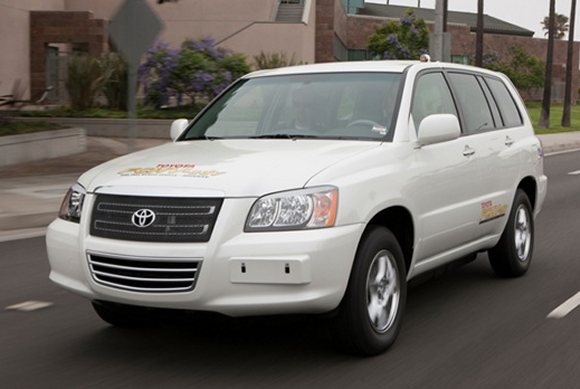
toyota-highlander-ev
2009 Toyota Highlander FCEV prototype
The foreseeable future for FCEV's

As seen before, FCEV's are a valuable replacement for regular ICE vehicles, but can't compete head on with BEV's, so they are left with niches where all-electric vehicles will have more difficulties to enter and Fuel Cell downsides are less determinant, like long range heavy-duty vehicles (Buses, Trucks, etc) and some of the larger Vans, Minivans, SUV's and Pick-up Trucks. 


Big Mistake

But instead of focusing on the technology strengths and go for larger vehicles, Fuel Cell promoters, like Toyota, Honda or Hyundai, are trying to sell the FCEV concept to the wrong market segments, be it midsize cars, like the Toyota Mirai or Honda Clarity, or compact SUV's, markets where BEV's will have it easier to win market share and Fuel Cells have a harder time disguising their weak points (Higher price and poorer space-efficiency), with this losing precious time to defend their possible niche markets from plug-ins. 

Also, in the Toyota case, giving the Mirai some Aztec-rivaling challenging aesthetics didn't helped much either...


Losing Ground

The disruptive force that Tesla is becoming, pushing plug-ins out of their niche and into mainstream, stealing sales from established ICE automakers like BMW (28%), Toyota (23%) or Audi (20%), it is also becoming increasingly menacing to the newborn Fuel Cell technology, as range of the Model S now touches 300 miles, it is close to the 312 (502 kms) announced by the Mirai, while eclipsing the 2014 Honda FCX Clarity (231 miles) and Hyundai Tucson/ix35 Fuel Cell (265).

True, the almost 300-mile Model S 90D is more expensive than the Mirai, but the difference isn't that significant (102.100€ vs 78.540€ in Germany) if you consider the Tesla is a car from a segment above, better in almost every aspect AND has lower running costs. Besides, the base Model S costs around 80.000€ and apart from range, it continues to be a far superior vehicle.

But the car segment is not where FCEV's are at their best, large SUV's and Pick-up trucks are markets where Fuel Cells could easily replace ICE models, but it seems that automakers are reluctant to make a Toyota Sequoia or Honda Ridgeline FCEV, preferring to keep their high margins in those cash-cow markets.

Only...If they don't hurry up, Tesla will (again) eat a slice of their cake, the Model X 90D has 257 miles of range, little less than of a possible Mirai SUV would have, and as the case of the Model S, it would be a more expensive but far better product than a hypothetical Mirai SUV.

As consequence, big SUV's could be already a lost market for FCEV's, so as the possibilities narrow down, the urgency for these automakers to shift priorities and launch Fuel Cell technology where it can be competitive (Pick-ups...) is increasing, as Tesla and others (BYD buses and do not forget the upcoming Chrysler Pacifica PHEV in the Minivan market) expand into new segments, FCEV's chances for success start to look increasingly smaller, not because the technology itself, but because of greed and mistakes made by the automakers committed to promote it.

Fools Cells? Not yet. But the odds are against them.


Thursday, January 1, 2015

2014 in Review


2014, also known as  Year Four of the Modern Age of Electric Cars has ended, so i took the time to review some of the most important facts of EV Markets this year:


Bumpy Ride for Tesla

For some it's the Brand-They-Love-To Hate, for other it's more like a Religion, for me is just a much needed disruptive automaker that will force established players go into plug-ins.

And that has been achieved, with Tesla-Killers being announced almost everyday (Will they deliver? Will they even hit the streets?), but regarding Tesla itself, things could be rosier, with predicted sales reaching some 30.000 units (Still, a 40-50% increase) this year and the constant delays in the Model X production schedule and Model III development, the american brand is promising a lot and delivering still very little (30k units are a blip compared with the near million units that German Premium carmakers deliver every year).

This year sales grew thanks to new markets to the brand and growth in existing ones, like Canada (600 in '13 vs 800-900 in '14) or Norway (2k vs 4k), while others had plateaued, like the all-important domestic market in the US (18k vs 17-18k) or the Netherlands (1.2k vs 1.2-1.3k), the AWD models addition will probably enhance sales, particularly in colder climate markets, as people change their RWD to AWD cars, but the real jump should come from the Model X, the launch moment and following production rhythm will determine if Tesla really succeeds in 2015 or if it's going to end as another so-so year, like it did in 2014.

During the year, Tesla was frequently on the news, be it for dealership bans, sales numbers, new sales markets & respective Supercharger launches,  China deliveries, or the more recent AWD Model S, which in turn revealed yet another debate regarding range numbers...

Despite all this media-frenzy, the fundamentals are there, the product is class-leading, the infrastructure is spreading, now all they need is Apple-like money to deliver all those promises they make.


Global Sales Continue to Grow

After a slow start, EV sales have increased greatly towards the second half of this year, with two months above the 30k sales (June and September), with global sales now expected to surpass the 300.000 units barrier, after the 140k of 2012 and low-200k in 2013, will we see plug-ins reach 400k this year? Probably, but much due to new PHEV's landing, one thing is certain, the millionth EV running around the streets will definitely be reached in 2015.


Growth Is All Around

While Norway continues to be the poster-child for EV Share and the US for volume, others are also making themselves noted, like China growing from one year to the other in an astounding way (18k in '13 vs 50-55k in '14), Germany (0,42% Share in '14 vs 0,23% in '13) and the UK finally waking up to plug-ins (0,52% vs 0,16%) and many countries of the Scandinavian/Baltic region, probably inspired by the Norwegian case-study, are growing at surprising rates and passing the 1% barrier, including some unforeseen markets, like Latvia(!).

Other markets finally had their Year One in 2014, like New Zealand (0,23% EV Share in '14 vs 0,007% in '13) or have rebounded into the righteous path, like Ireland (0,27% in '14 vs 0,08% in '13).

To see the difference between 2014 and 2013, while EV's lost share in eleven countries from 2012 to the next year, now only Israel is below the 2013 EV Share, with the culprits for this having a known face (Better Place failure).

Also of importance is the dissemination of plug-ins by other countries still not associated with EV's, like Brazil, South Africa, Mexico, Morocco or the UAE(!).


The Kandi Factor

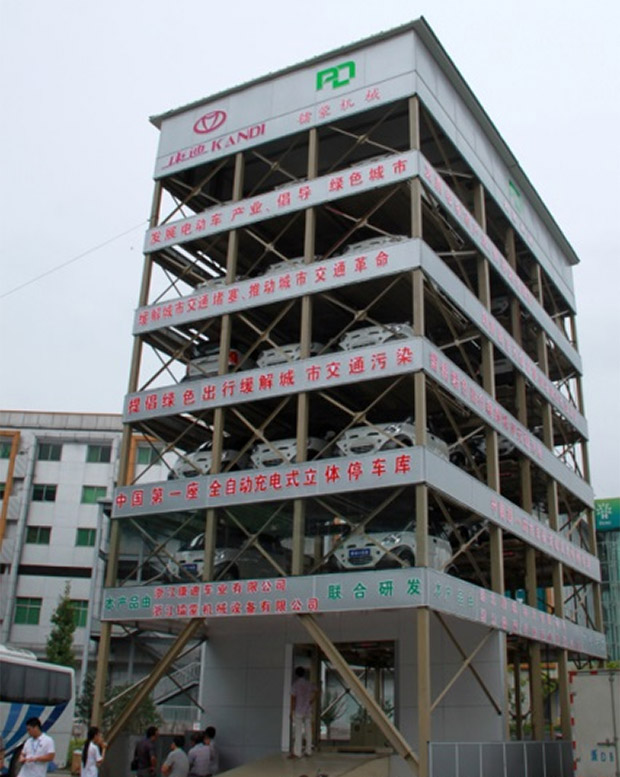
Probably the biggest surprise of the year, this Smart-lookalike isn't a car to break new ground in anything special, except on the way it presents itself to the general public, in country without a strong car-ownership-culture, electric car sharing in giant vending-machines, like the one above, is proving to be a hit and although hard to find, delivery numbers prove it, with the tiny car racing the BYD Qin for the Chinese EV leadership and at the same time, joining the EV Global Top 10 ranking.


BMW's risky bet is paying off

When challenged to the task of entering the plug-ins car segment, BMW took a risky bet, creating not only dedicated cars, but also a new sub-brand with dedicated dealerships and sales forces, and on top of that, cars, technologies and sales network had little to do with the known BMW, it was almost like creating a new brand from scratch.

If the prototype-stage of the i8 was almost immediately loved by buyers and media, many scratched their heads on the stubby and most un-BMW i3.

The German maker first launched the i3 in late 2013 and with early mixed reviews, BMW made a conservative sales-pitch of 10.000 units for 2014.

Now that the year is ending, sales of the i3 are at 15k and the i8 is proving to be an even more astounding sales hit, with waiting lists surpassing one year...

No wonder BMW is already thinking in developing a larger i3 (i5?) and sportier i8 (i8s? i9?).


China is Rising

With foreign makers neglecting the Chinese EV market, the local brands were almost the sole benefiters of the threefold sales jump originated there, with the Chinese EV makers global share rising from 6% in 2013 to 15% last year, surpassing France as the Third Global EV Maker country.

If BYD and Kandi are frequently mentioned here, others are also contributing for this event, like Chery (8.000 units in '14, only 100 sales behind Volkswagen), Zotye (5.900 units, ahead of Smart and Volvo) or BAIC (2.600 units).

Expect for 2015 to continue this trend...


Zoe Returns

Renault had big hopes for its Zoe, wanting to make it a sort of Euro-Taste-Leaf and hoping it would lead plug-in sales in the Old Continent.

Despite a promising start, as new competition joined the race, Zoe's sales started to suffer, ending 2013 in #2 in Europe (#6 in the Global ranking), but losing a lot of ground to the more recent competition.

2014 started poorly, with a #7 spot in the Euro ranking in January and continuing around there until May, in June sales finally picked-up (1.016 units) and the french hatch finally started to climb the European ranking, reaching #3 in November and re-entering the Global Top 10 ranking.

After including the batteries in the ownership of the car, Renault is looking in 2015 to improve range and chargeability of the car in order to improve even further sales and prevent the french brand to be placed on the "Losers" side of this year.


The German half-hearted foray into EV's are returning half-hearted results to domestic brands

With the exception of BMW, German volume carmakers have until now a pretty conservative approach towards plug-ins.

Unlike BMW, other German carmakers optioned for creating plug-in versions of regular ICE cars and selling them in limited numbers, with limited results to show:

- In Europe, the electric version of the almighty Golf is only #9 and the e-Up! is #6, while the Golf GTE/Audi A3 e-Tron are still giving their first baby steps;

- With two plug-in models on sale, Mercedes has sold 210 units last November, also with two models, BMW sold over 1.800 units in the same period;

- Regarding the other two german carmakers present, Smart is waiting for the new Fortwo model, while Porsche is comfortably managing their leadership position in the upper-end Premium segment (Tesla is in a whole different planet);

- The GM-adopted Opel Ampera is ending and Opel is waiting for something to come up from the GM mothership to rejoin the plug-in scene;

- Although German carmakers Global Share grew from 3% to 11% in 2014, BMW is responsible for 6 of those 11%, with VW having 3%, Smart 2% (The same result it had in '13) and the others...Zero-something.


Year Minus One for Fuel Cells  

Fuel Cells (FCV) had been present in concept-car form for ages, but no one still had made the plunge to create a volume FCV car.

This year though, Toyota presented the Mirai, or "Future" in japanese, is futuristic in technology but also in shape, not like the BMW "The Future will be awesome" i8, but more like "In the Future we will obey to Terminators driving Mirais". 

Sales started in Japan two weeks ago, and volumes are predicted to be small (700 units in 2015, 2.000 the next year and steady growth from then on), due to high prices and an ugly face, but the Tesla Roadster also started with small numbers...


2015, Year of the PHEV SUV

Pure electric cars have been improving their market share regarding PHEV's since 2012 (50% in '12, 57% the next year and 60% last year), mostly thanks to Tesla, but the next year Plug-in Hybrids should rebound in a big way, not only the refreshed Chevrolt Volt will probably double its sales, but there's also a bundle of PHEV versions of regular cars coming, particularly SUV's:

- Audi A7 e-Tron;

- BMW X5 Plug-In;

- BYD Tang;

- Mercedes C350e (Plug-In Hybrid);

- Volkswagen Passat GTE;

- Volvo XC90 T8 (Plug-In Hybrid);

Monday, December 23, 2013

EV Business Case Q4 - 2013

Batteries are critical for EV's

Batteries Edition

Just like engines in Formula One cars, batteries are the most important component for plug-ins and the one thing that usually car manufacturers don't build in-house, preferring to buy them/cooperate from established battery makers.

Digging a little deeper and finding out the relationships between EV and battery makers allows us to see a somewhat concentrated market, where three manufacturers dominate 80% of the market: AESC, Panasonic and LG. Let's look at them more closely:

- AESC is a joint venture between NEC and Nissan and they provide batteries for the Nissan Leaf and most of Renault's EV's, thanks to the global success of the Nissan Leaf and with the help of Renault sales, this is the #1 battery manufacturer, grabbing some 33% of the EV market in 2013;

- LG has been cooperating with GM and Ford, providing batteries for their EV's, and on top of that, it also sells batteries to Renault, allowing the South Korean company to have some 24% of the EV batteries market;

- Panasonic is the third musketeer and the one with the most high profile customers: Toyota and Tesla use Panasonic batteries, if the first is leader in hybrid cars and an important player in EV's, the second is currently the main consumer of battery cells thanks to the cell-heavy batteries of the Model S. With talks of Tesla and Toyota cooperating in the future and with Tesla ambitious growth plan, Panasonic should do well in the next few years;

 - Other contenders are Lithium Energy Japan (GS Yuasa / Mitsubishi), providing batteries for Mitsubishi, Siemens has a partnership with Volvo and Deutsche ACCUmotive is the provider for the Smart ED, others develop batteries in-house (BYD, Bolloré), while other battery makers are still on their first stages of EV partnership (Toshiba is teaming up with Honda and there's rumors that Samsung will cooperate with Renault).


Tuesday, April 30, 2013

EV Business Case - Q1 2013

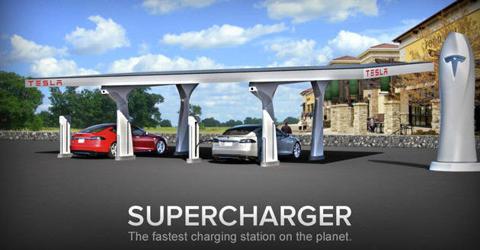
Tesla Supercharging Stations: Another Out-of-the-Box feature from Elon Musk firm. 

Now that 95% of this year Q1 data is available and looking at the business case of plug in cars, one can say that the only manufacturer making a profit with electric vehicles is Tesla, not only they are selling more than expected, the start up company is also selling each unit with a higher price than predicted, so the Q1 profit only comes as a natural consequence of that.

The rest of the market is trying not to lose much money in each unit sold, research and development costs are high, prices have to be realistic and the number of units sold are below expectations, with some CEO's discontent with these obstacles.

The truth is that it's a long hard road to electric profitability, but some are closer to than others, Nissan is now nearing 60.000 Leaf's sales (and let's not forget the additional 23.000 batteries sold by teammate Renault), allowing them to recover a good part of the investment and along with other measures, reduce the Leaf's price. Now with the production distributed by three factories, if (and that's a big "IF") they can produce some 2.000 units per factory, we are talking 6.000 units a month and 72.000/year, numbers that can put Nissan on the verge of  EV break even point by the end on 2014.

Will the tiny Spark make a difference on GM's electric strategy?

GM is also taking the same path thanks to the Volt project, but it's lagging behind Nissan, right now they are at 40.000 plus units of the Volt family and this year sales are below 2.000 units/month, as the increased competition dents on Volt sales.

GM has two ways to increase the investment recovery: A price reduction to increase sales (Still too early, maybe for the end of the year) or diversification with new models. With the Chevrolet Spark EV and the upcoming Cadillac ELR arriving this year, this looks to be the path followed by The General. If the ELR doesn't need to be a best seller, because of its premium price, for the Spark they will have to sell a lot of them for the model to be important to the GM EV strategy, and right now those large numbers seem rather questionable. For now the break even point for GM looks at least some three years away, maybe on the 2nd gen Volt...

As for Toyota, despite having sold more than 30.000 units of the Prius PHEV, they're not really that deep into plug-ins, regular hybrids are their (profitable) business and the PHEV version is just an extension of that program, so don't expect for Toyota to present new products in this segment, although putting a plug in a Prius Alpha/V/Plus shouldn't be much of an effort, right? (Wink, wink)


Monday, April 15, 2013

Where's Wally? - Looking for EV's in The Netherlands

Nissan Leaf Charging

In the Netherlands the title of this post lost a bit of sense, because i didn't had to look for them, as they were about everywhere, especially white Opel Ampera's, but also Plug in Prius (PiP) and some Leaf's and Mitsubishi i-Miev's.

Opel Ampera - A company favorite due to tax benefits and sweet deals made by Opel, they are now part of the auto landscape, being driven by young executives of both genders and wanting to show their green credentials.

Toyota Prius Plug in -  Also fairly common here, the first posterchild of greeness is also favored by companies interested in tax rebates. It is said that many of these plug-ins are used purely as hybrids because their drivers have fuel payed by their companies, so they don't bother on plugging them...

Fisker Karma -  I only saw one example of this handsome beast, a grey one parked in downtown Rotterdam, at the time i remembered Fisker's sales success in the Netherlands and the taste that dutch drivers have for stylish cars, realizing then: "Tesla will be sooo welcome here!..." 

Mitsubishi I-Miev family and Nissan Leaf - Limited to urban areas, they are still a rare sight and fail to ignite interest from company and private buyers alike.